
By Solomon Wiesen, TLV Beaches. Last reviewed October 2026.
Six areas sit directly behind Tel Aviv’s beaches, and they are nothing alike. The Old North is the family choice, the hotel strip is loud and convenient, Kerem HaTeimanim is the closest you can live to the sand, Neve Tzedek is the most expensive, and Jaffa gives the best odds of a sea view for the money. This guide runs north to south: which beach each area uses, what the apartments are like, how loud it gets, and roughly what it costs. It is written for renters, buyers, and anyone staying a few months.
Tel Aviv beach neighborhoods at a glance
| Area | Nearest beaches | Walk to the sand | Feel | Price tier | Best for |
|---|---|---|---|---|---|
| North of the Yarkon (Lamed, Kochav HaTzafon, Ramat Aviv Gimel) | Tel Baruch | 10 to 25 min | Quiet, newer buildings, car-based | High | Families who want space and parking |
| The Old North (Port to Gordon) | Metzitzim, Nordau, Hilton, Gordon | 3 to 12 min | Leafy, residential, calm side streets | Top | Families, couples, dog owners |
| Hotel strip and city center | Frishman, Bograshov, Trumpeldor | 3 to 10 min | Busy, young, loud at night | High | Singles, short stays, life without a car |
| Kerem HaTeimanim | Jerusalem Beach (Geula) | 2 to 6 min | Narrow lanes, market next door | High | People who want to walk everywhere |
| Neve Tzedek | Banana, Charles Clore | 5 to 10 min | Restored low houses, boutiques, visitors by day | Top | Renters and buyers with a big budget |
| Jaffa and Ajami | Maravi, Ajami (Givat Aliyah) | 2 to 15 min | Old stone houses, mixed community, slower pace | Mid to high | Value, sea views, a quieter beach |
Walk times and price tiers are rough estimates. Mid means around the Tel Aviv average; Top means the top of the market.
North of the Yarkon: Lamed, Kochav HaTzafon and Ramat Aviv Gimel
Beach: Tel Baruch Beach, the northernmost beach in the city, with wide lawns and a paid lot.
This is the quiet end of the coast. The neighborhoods here are newer than the center, with towers and large apartment blocks in place of 1930s walk-ups. That usually means an elevator, underground parking, and a safe room inside the apartment.
The trade-off is distance. Most homes are a 10 to 25 minute walk from the sand, and many residents drive or cycle to the beach. There are fewer cafes and shops within walking distance than in the center.
Sea views. More common here than anywhere in the center, because the buildings are taller.
Good to know. The land of the former Sde Dov airport, between these neighborhoods and the sea, is planned as a large new seaside district. Expect building work in this area for years.
Who it suits. Families who want space, parking and quiet, and who do not mind getting in a car for dinner.
The Old North: the Port down to Gordon
Beaches: Metzitzim, Nordau, Hilton and Gordon.
The Old North is the most residential stretch of the central coast. Streets like Nordau Boulevard, Jabotinsky, Arlozorov and Ben Gurion Boulevard run straight down toward the sea. Most homes are 3 to 12 minutes from the sand on foot.
On the municipal map the Old North continues south to around Bograshov Street. Daily life changes below Gordon, where the big hotels start, so that stretch gets its own section below.
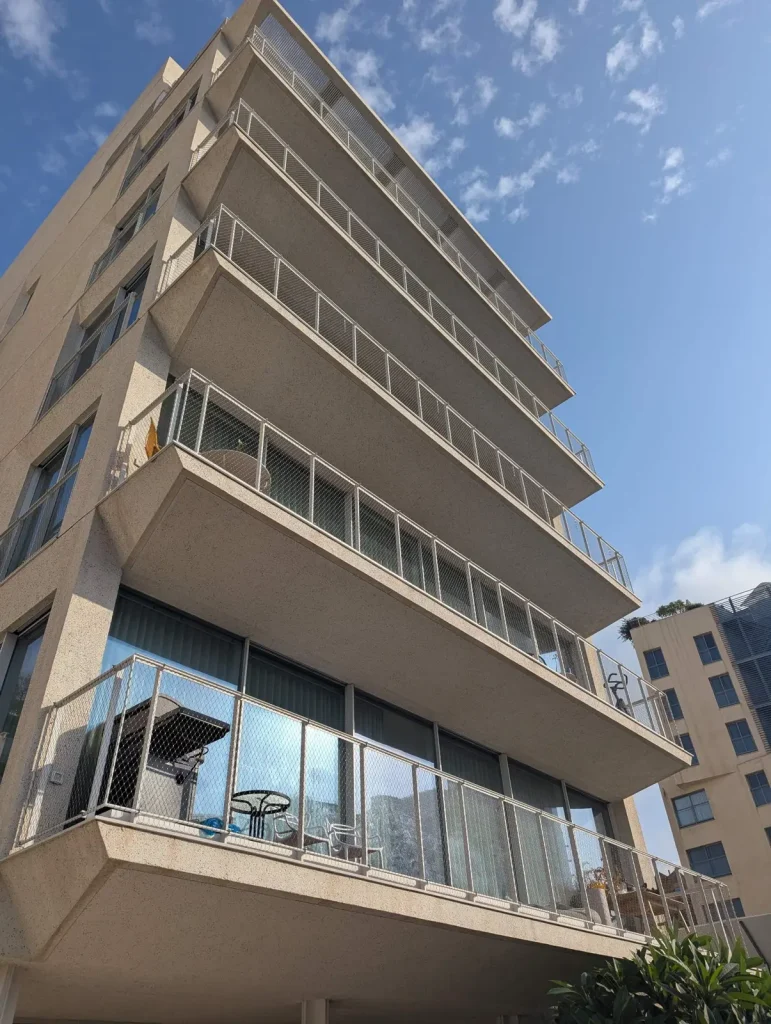
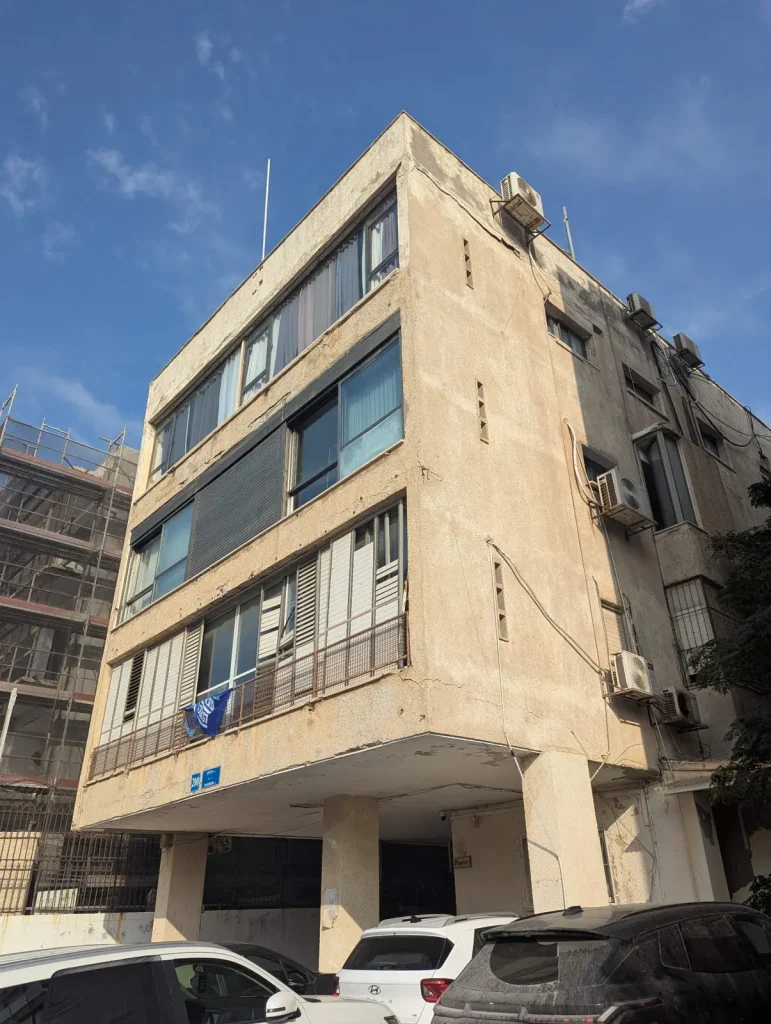
What the apartments are like. Mostly three and four story buildings from the 1930s to the 1950s. Many have no elevator, no parking and no safe room. A growing number have been rebuilt or reinforced, with added floors, an elevator and safe rooms, and those cost more.

Daily life. Quiet side streets, strollers and playgrounds, with Independence Park on the cliff above Hilton Beach. Ben Yehuda and Dizengoff carry the traffic and the shops. The Port (Namal) at the north end has restaurants and its own boardwalk.
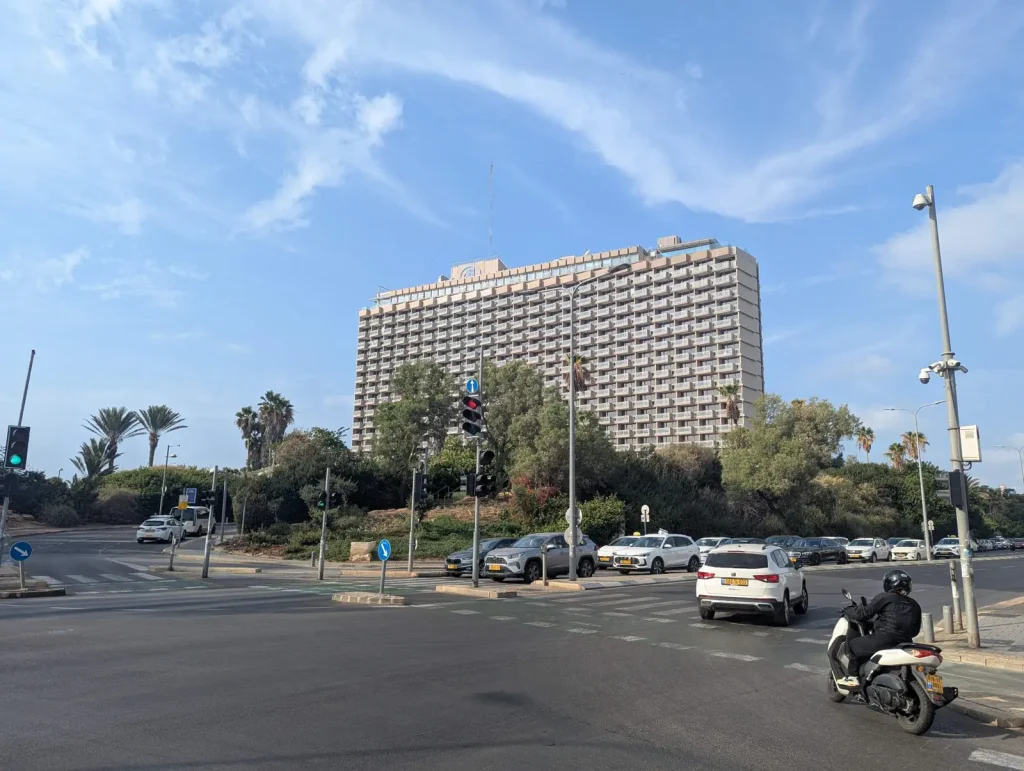
Which beach for whom. Metzitzim suits small children. Hilton has the surf and, next door, the dog beach. Nordau is the city’s only gender-separate beach. The Tayelet is inside the Tel Aviv eruv but the sand is not, which matters on Shabbat.
Sea views. Rare. Some buildings on HaYarkon Street facing Independence Park have them; the side streets mostly do not.
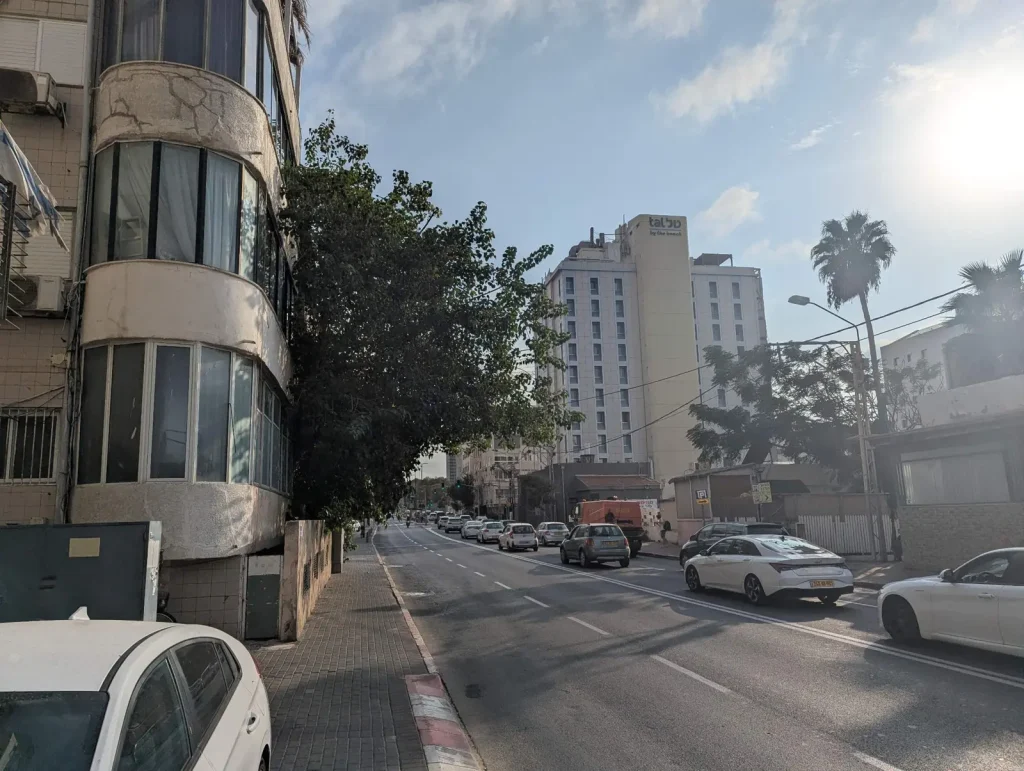
Who it suits. Families, couples and dog owners who want a real neighborhood and a short walk to the water.
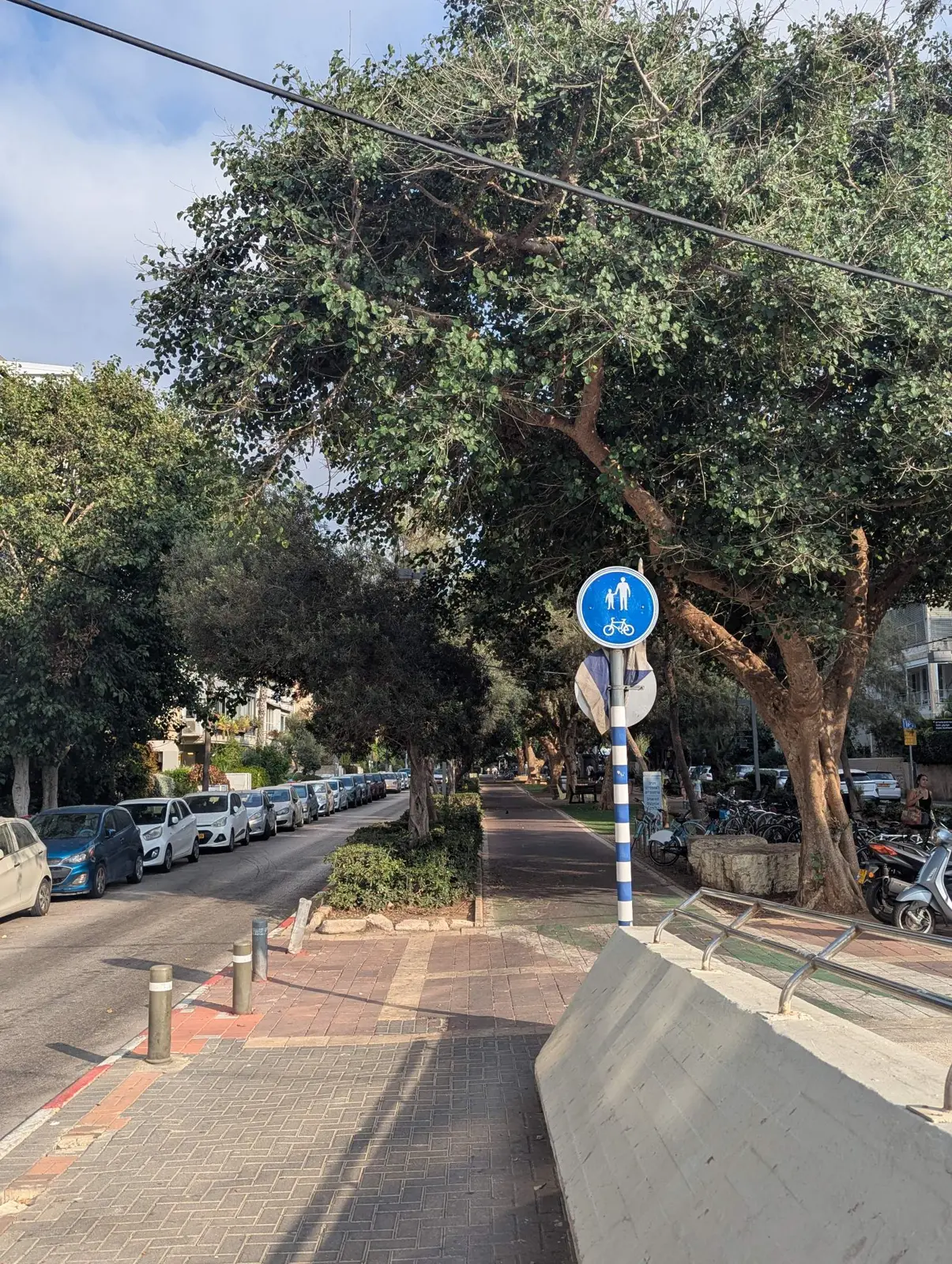
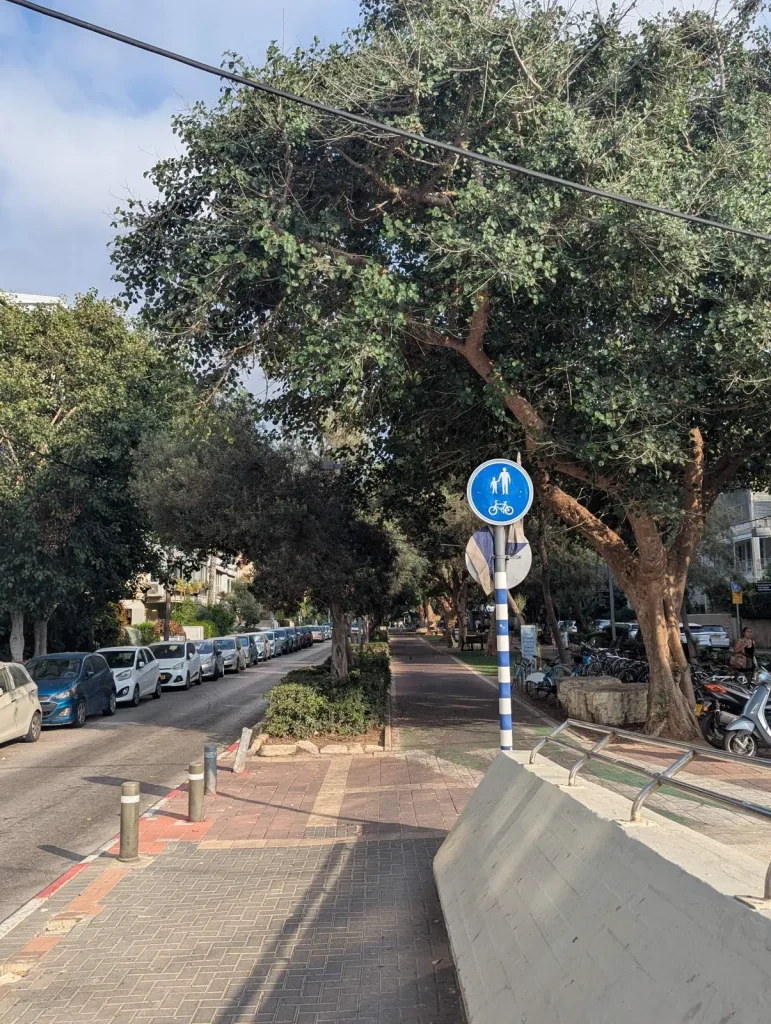
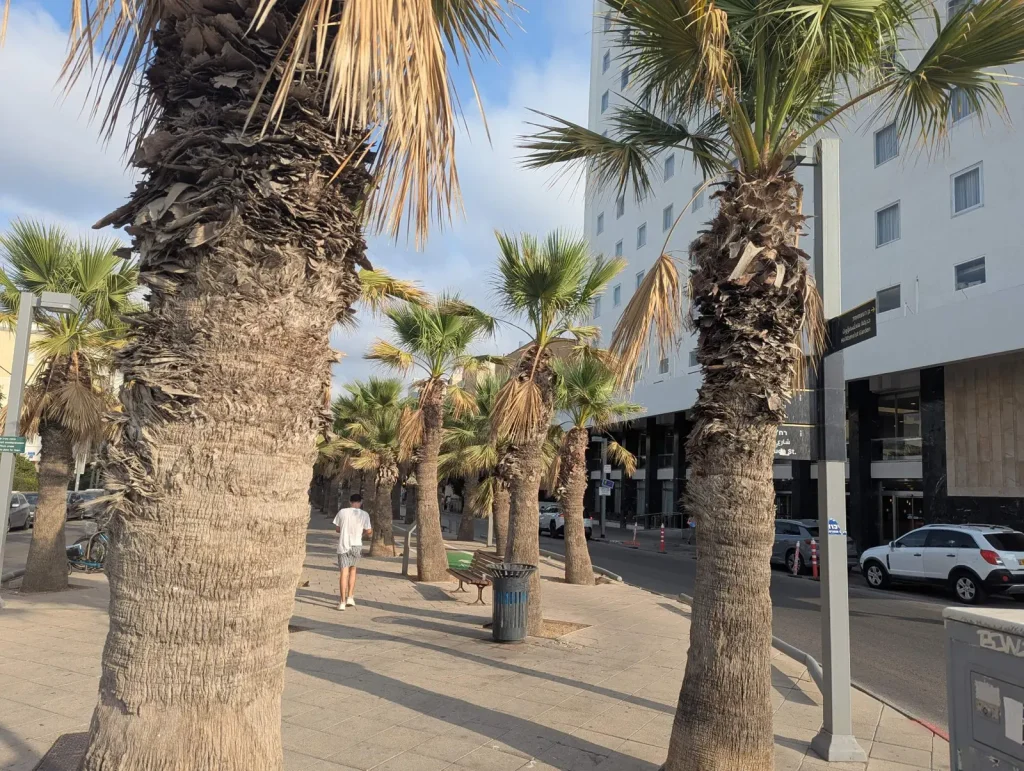
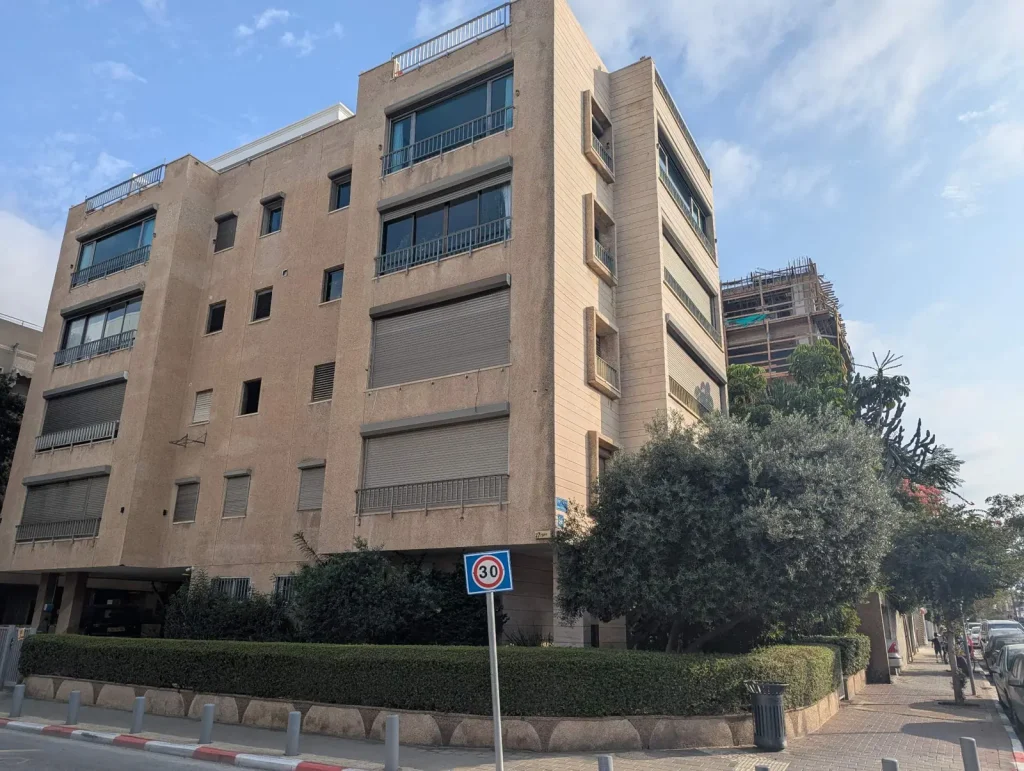
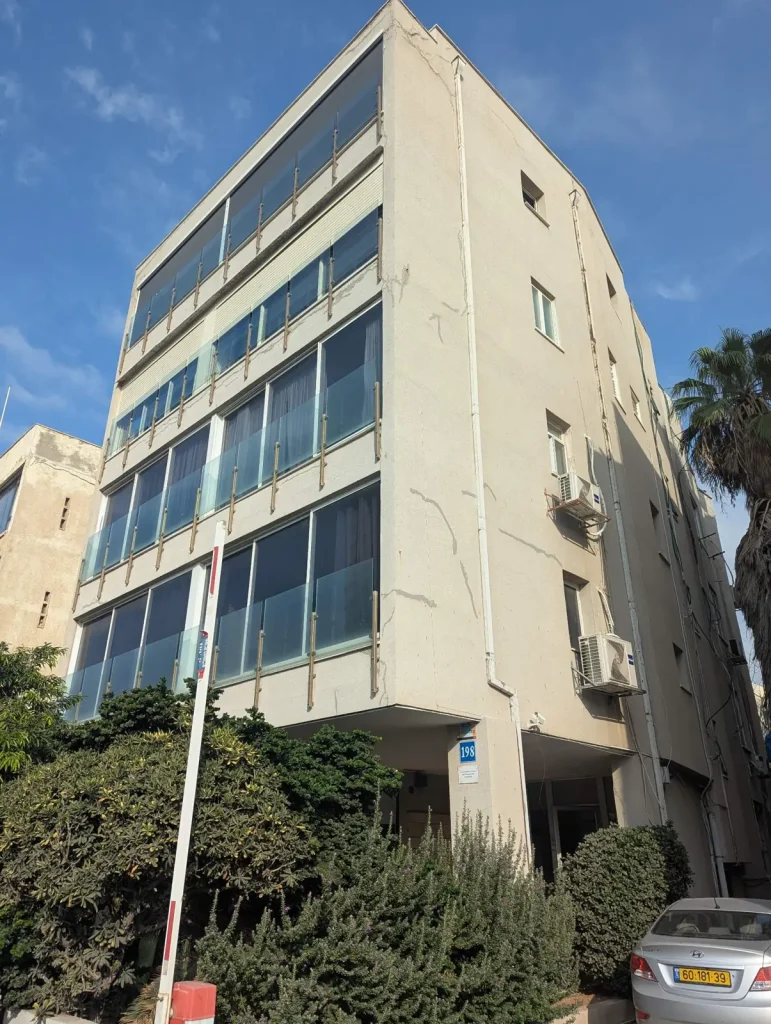
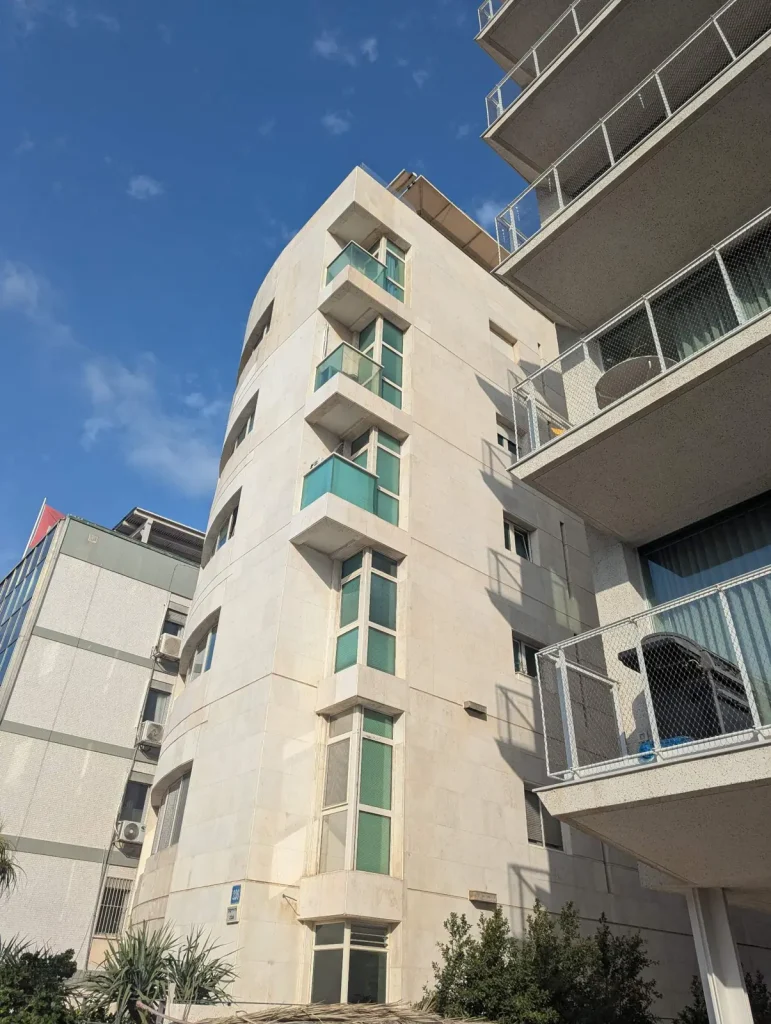
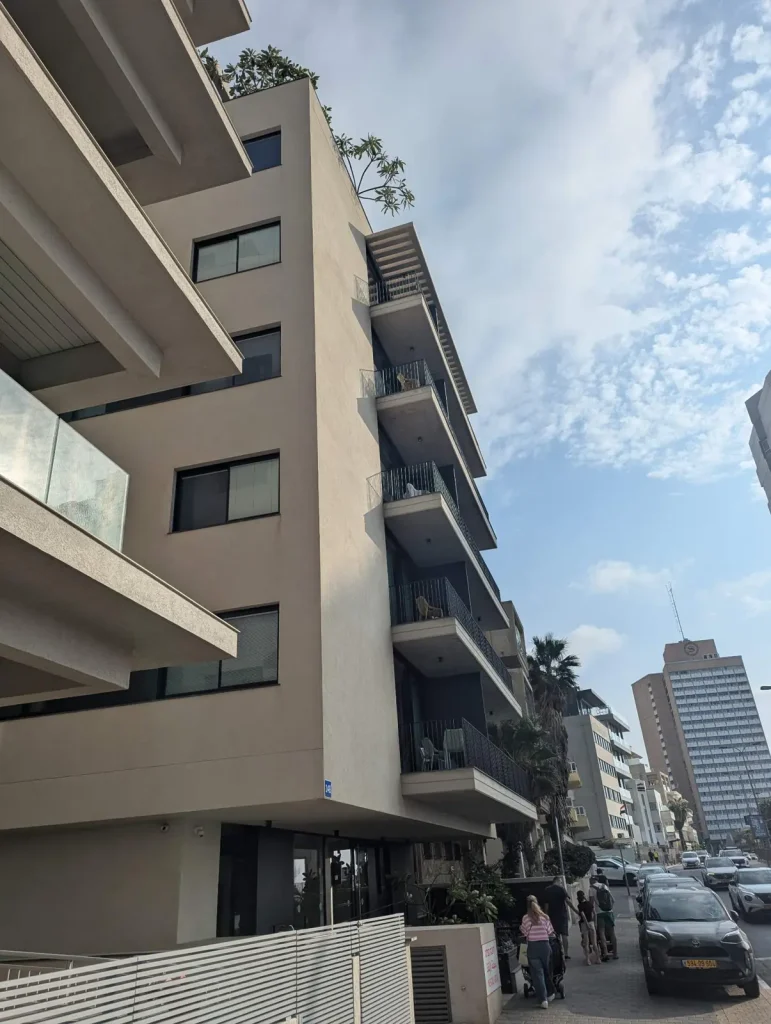
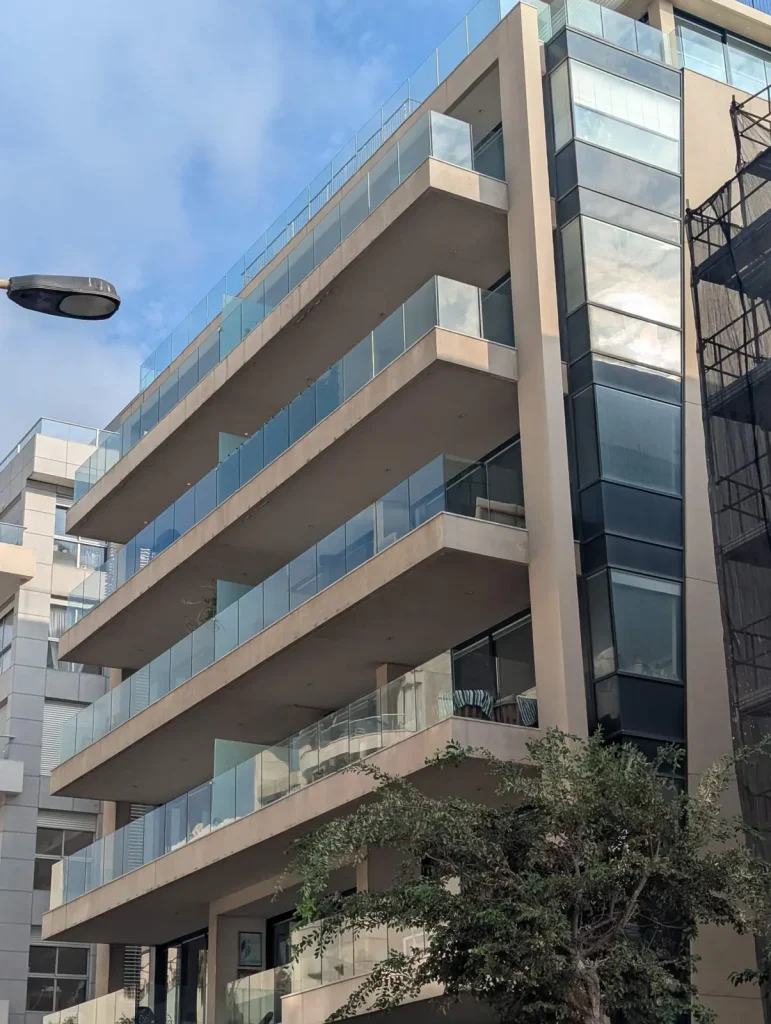
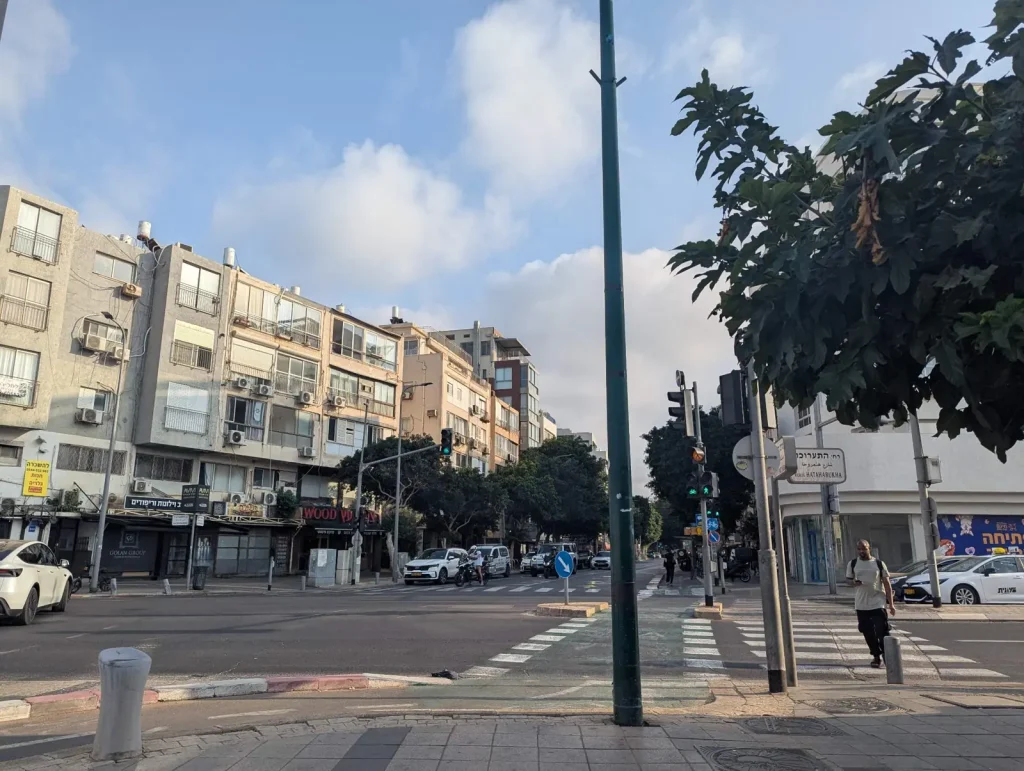
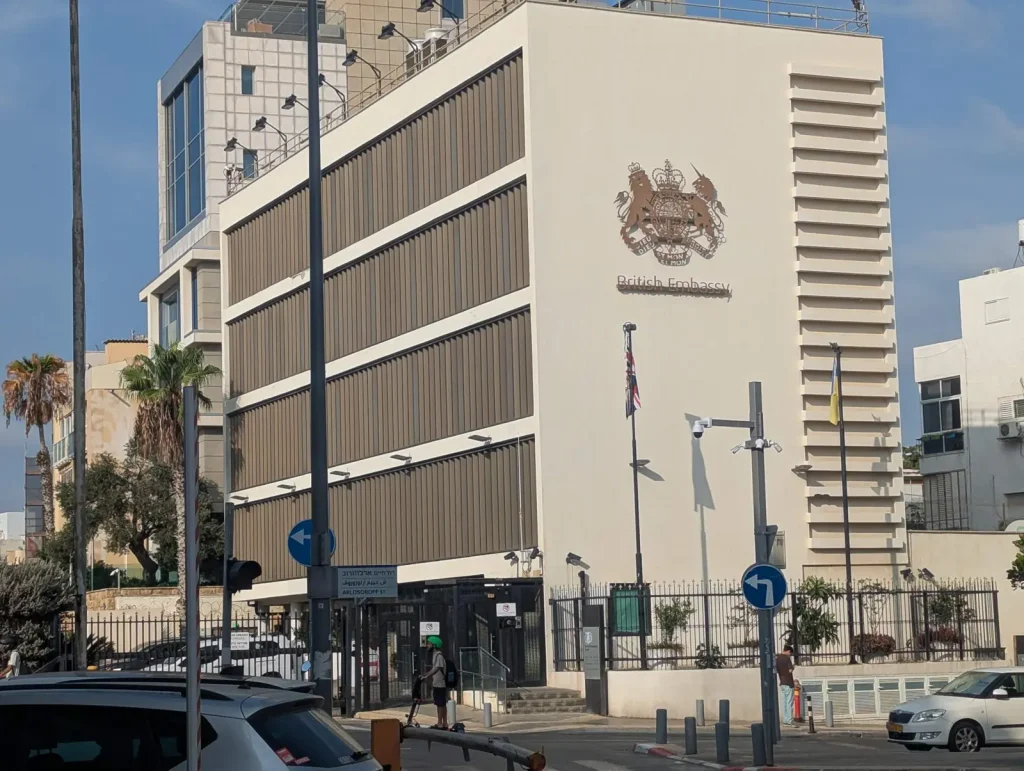
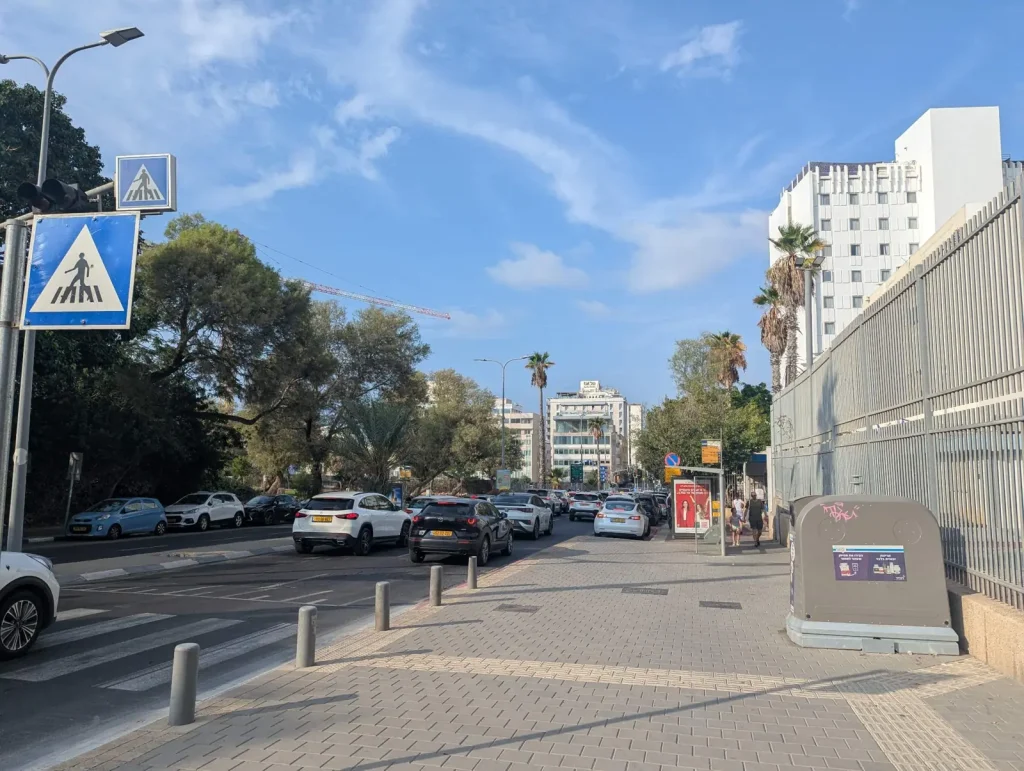
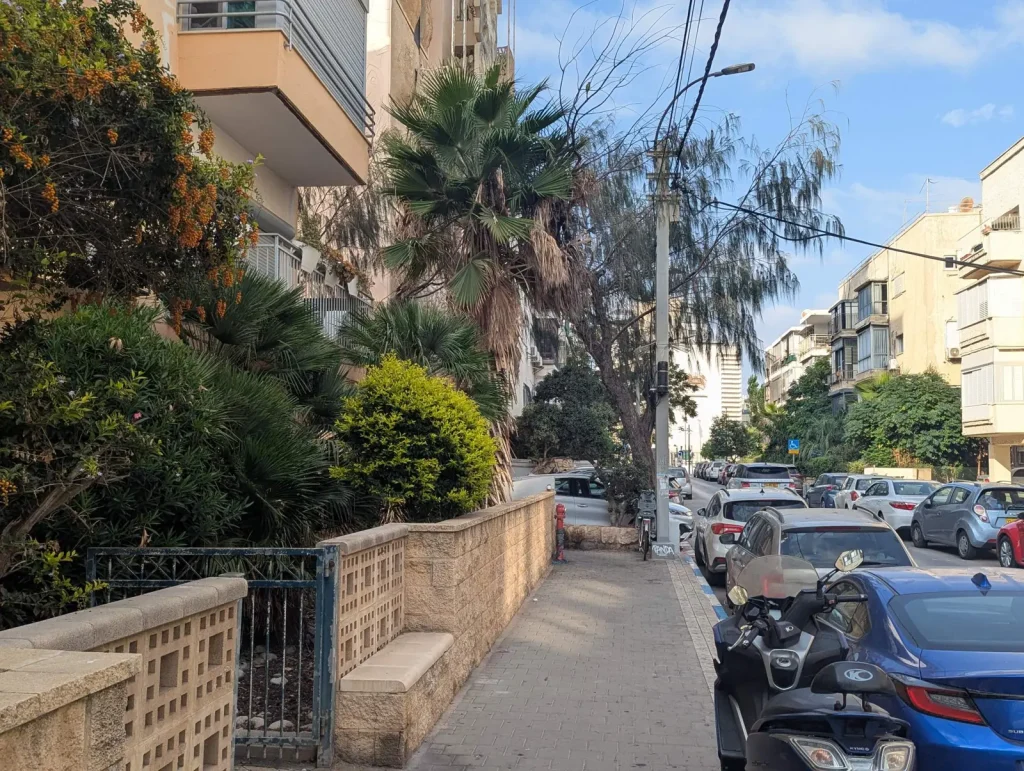
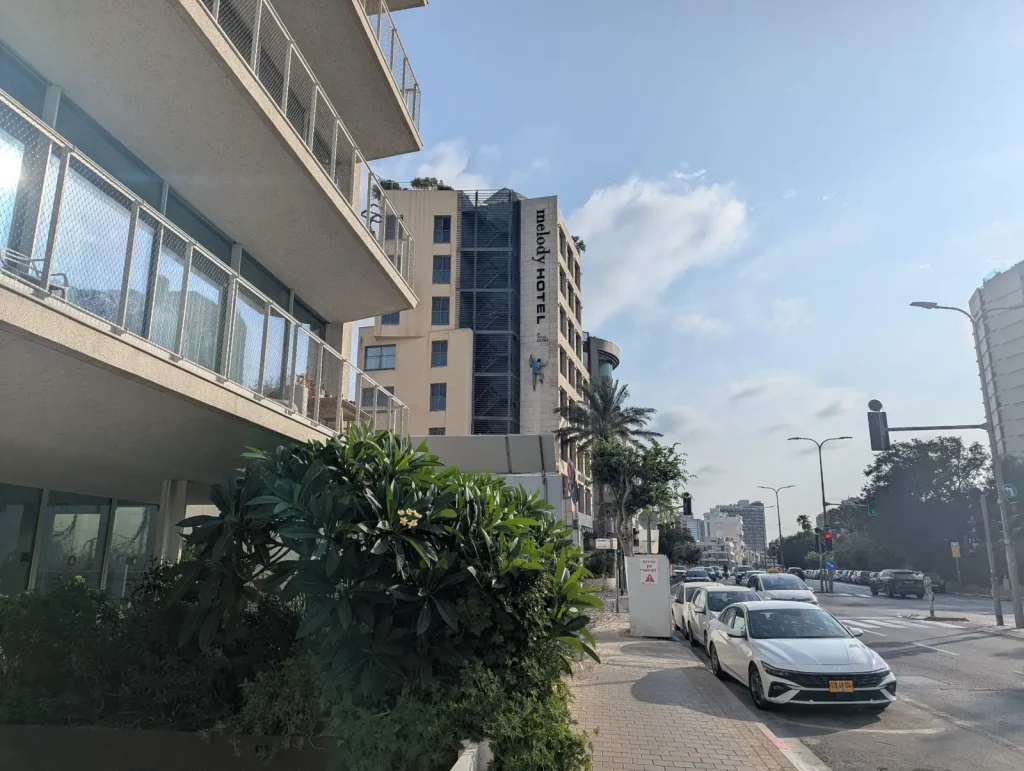
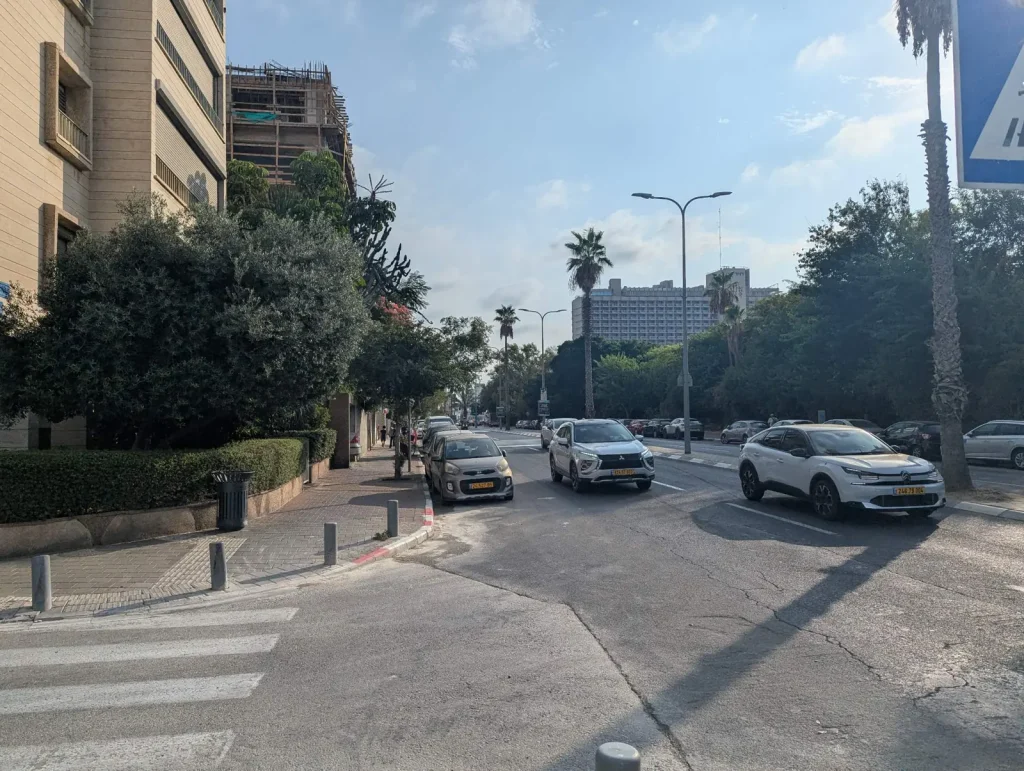
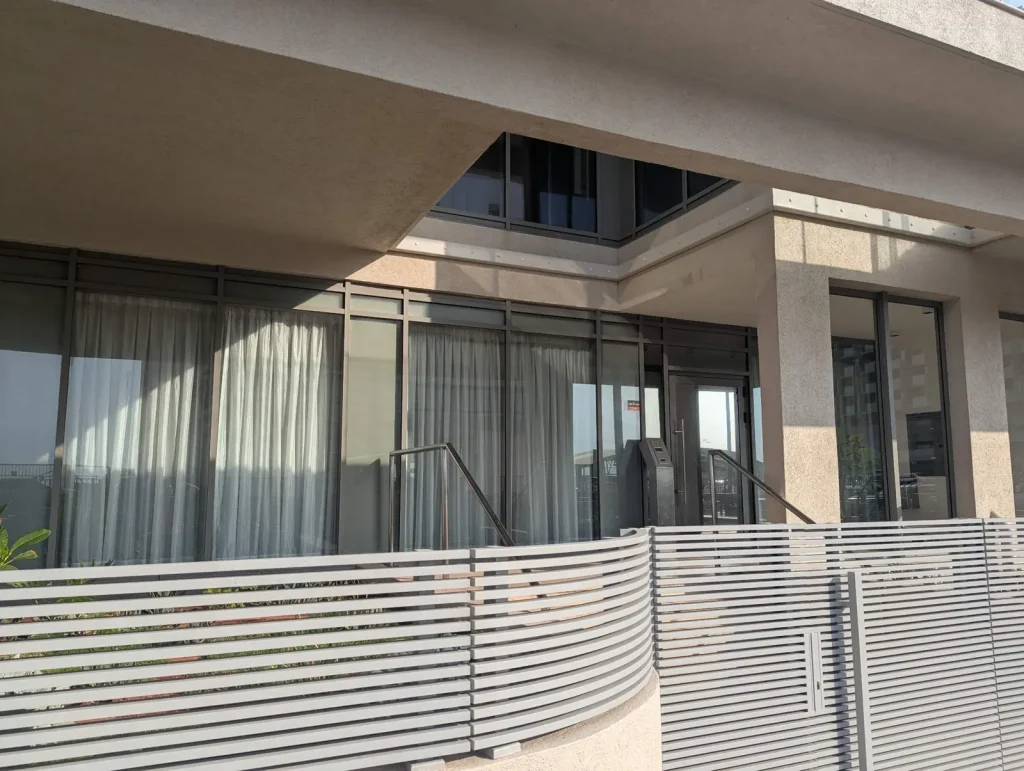
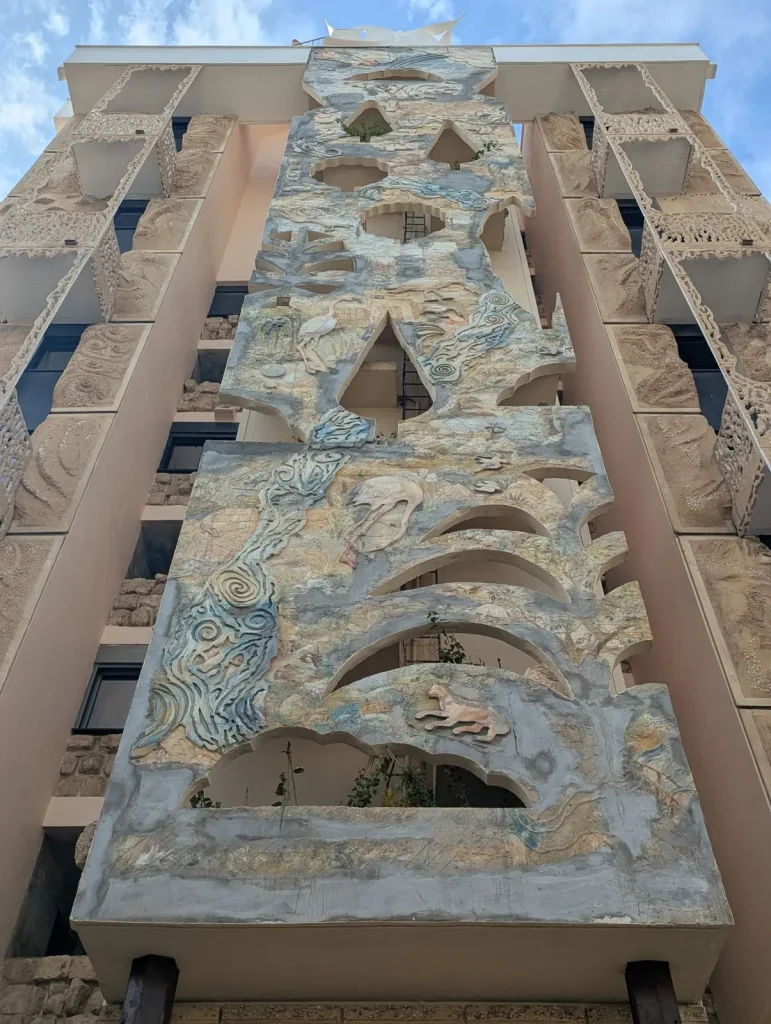
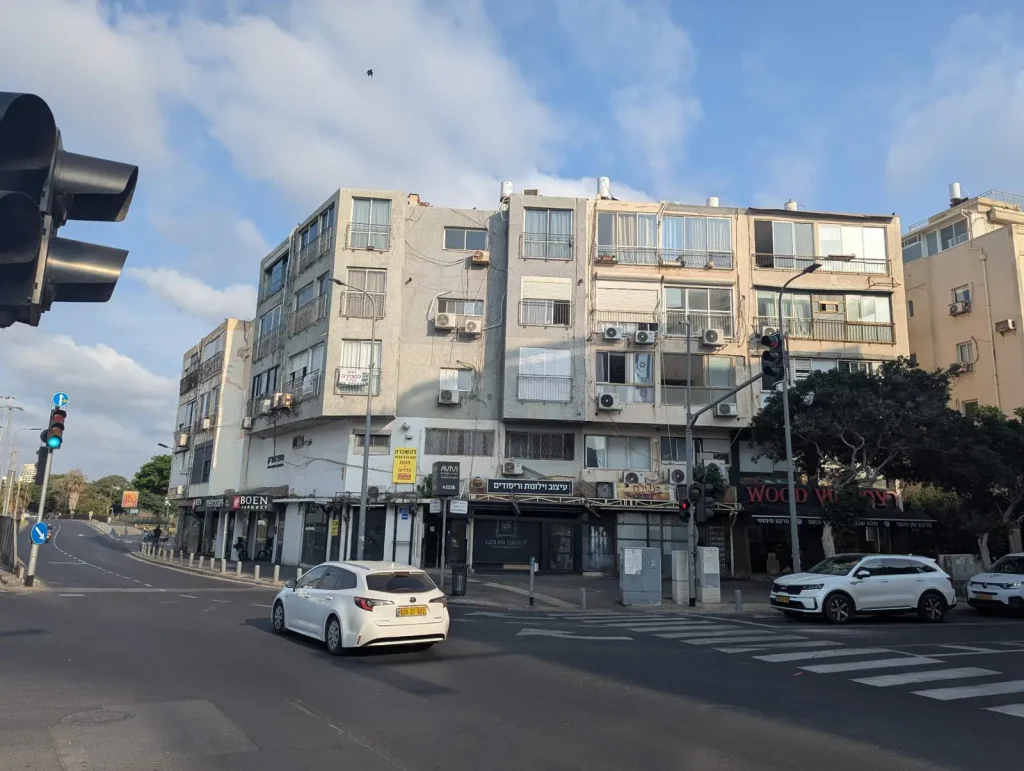
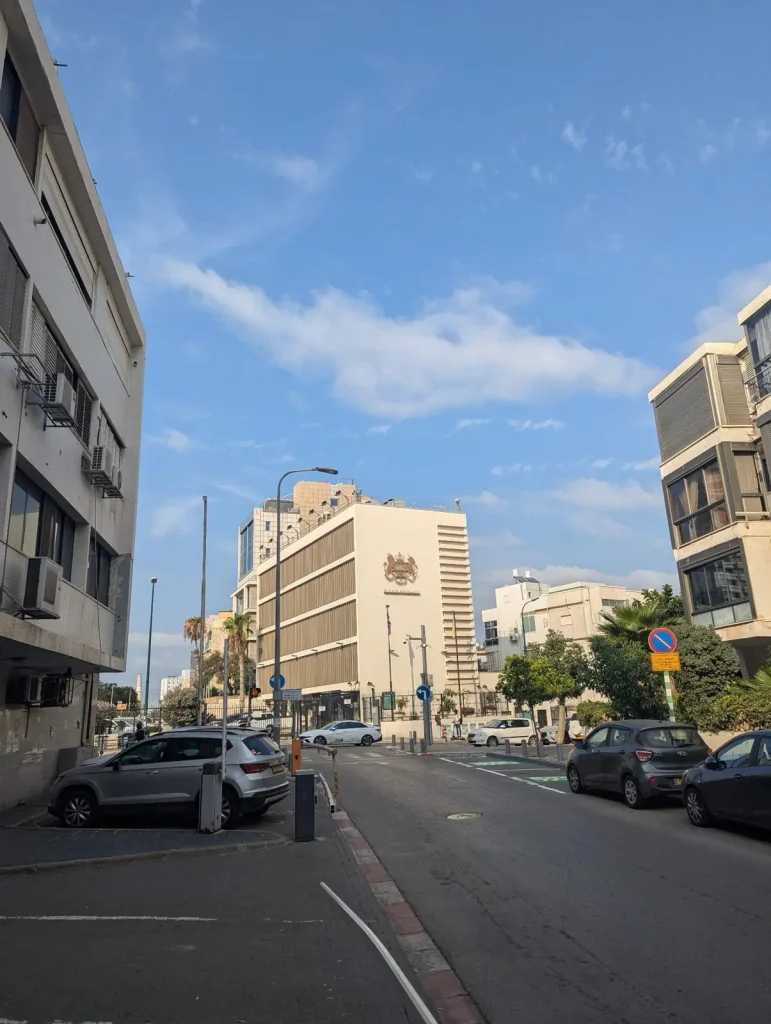
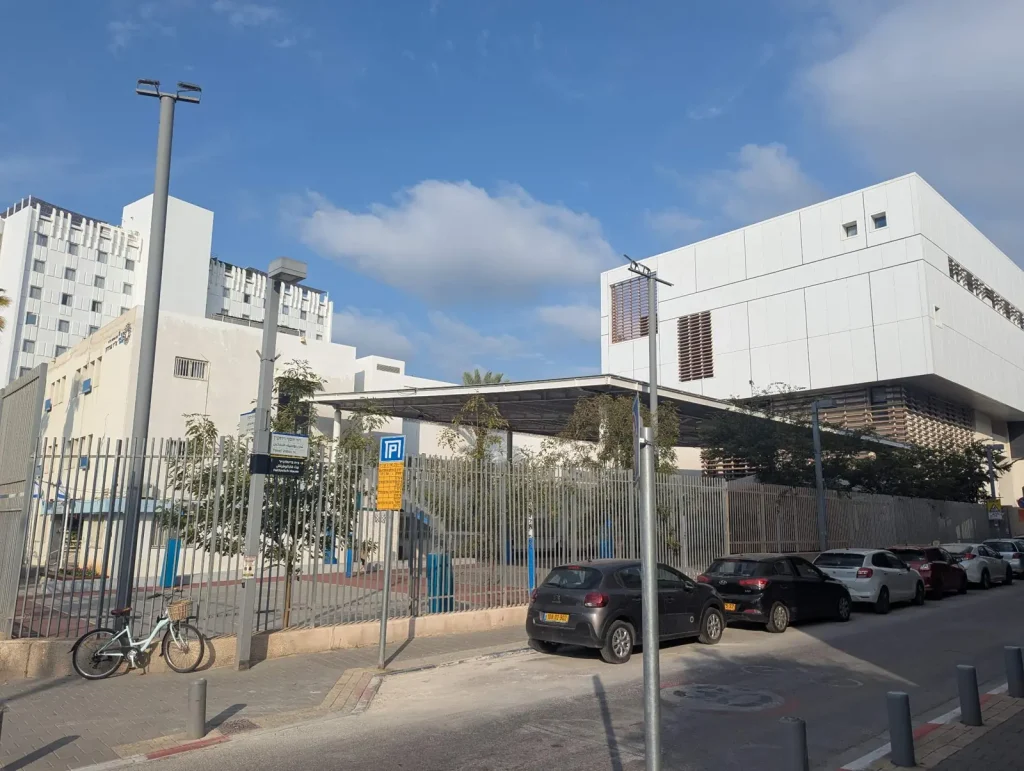
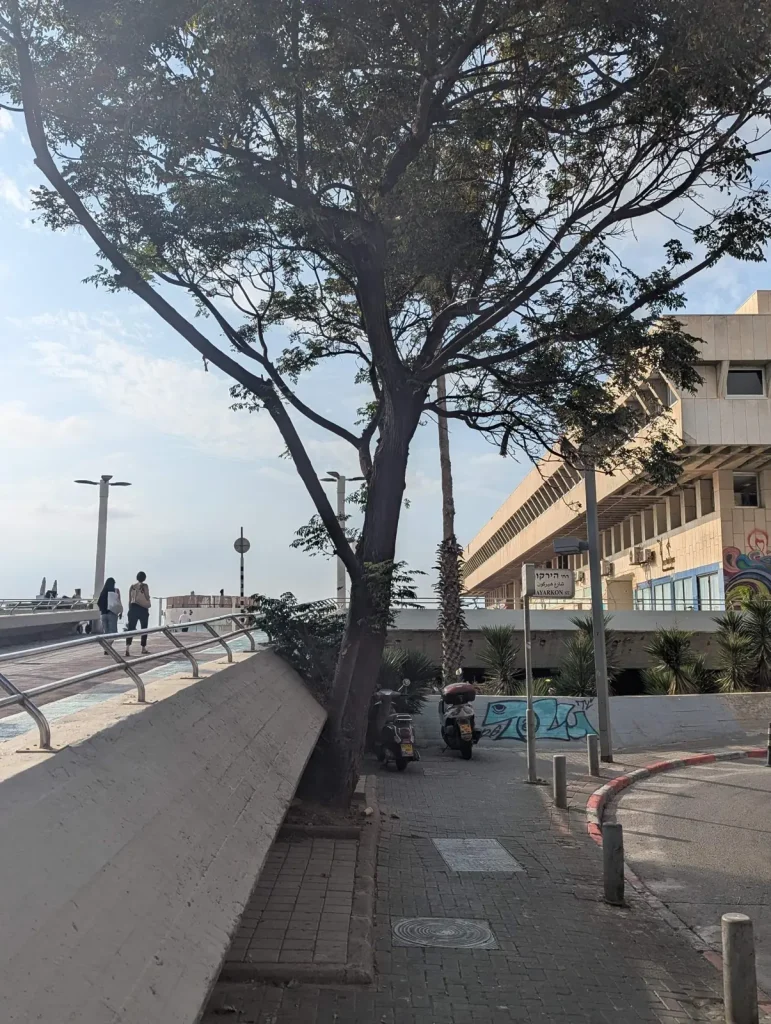
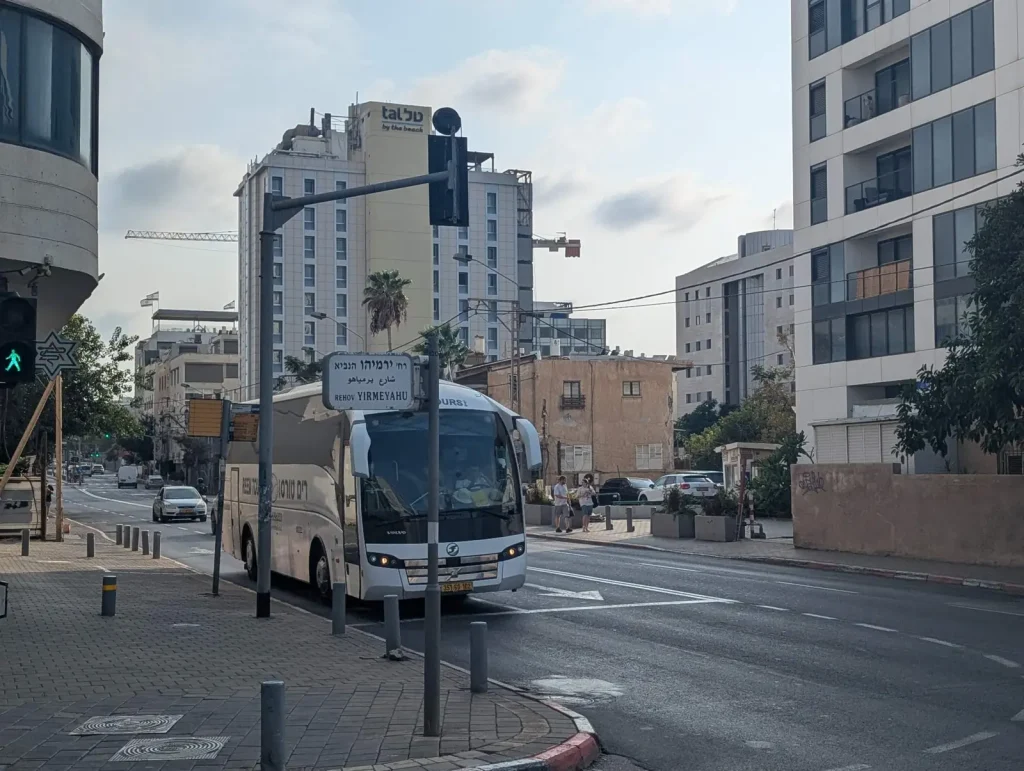
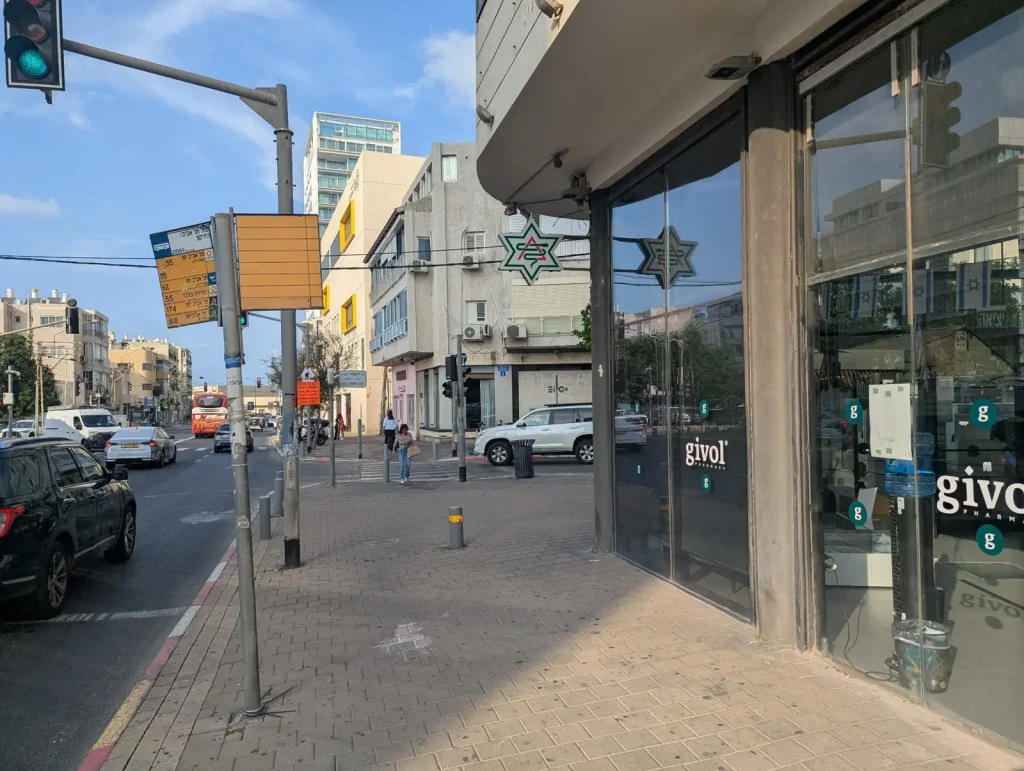
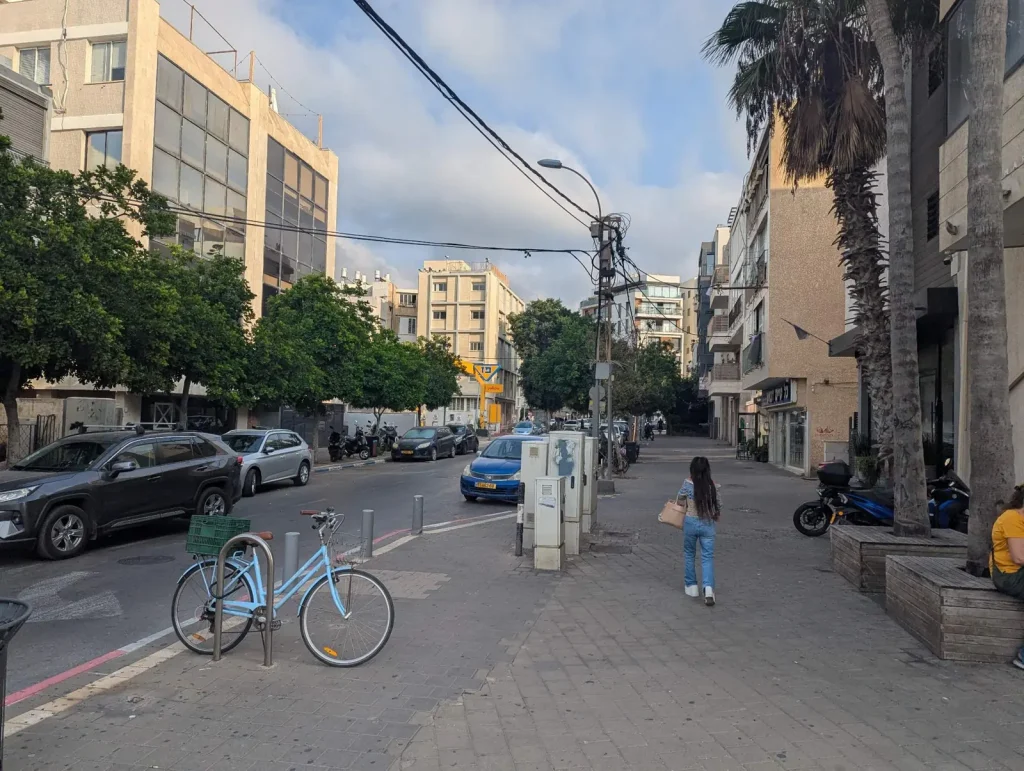
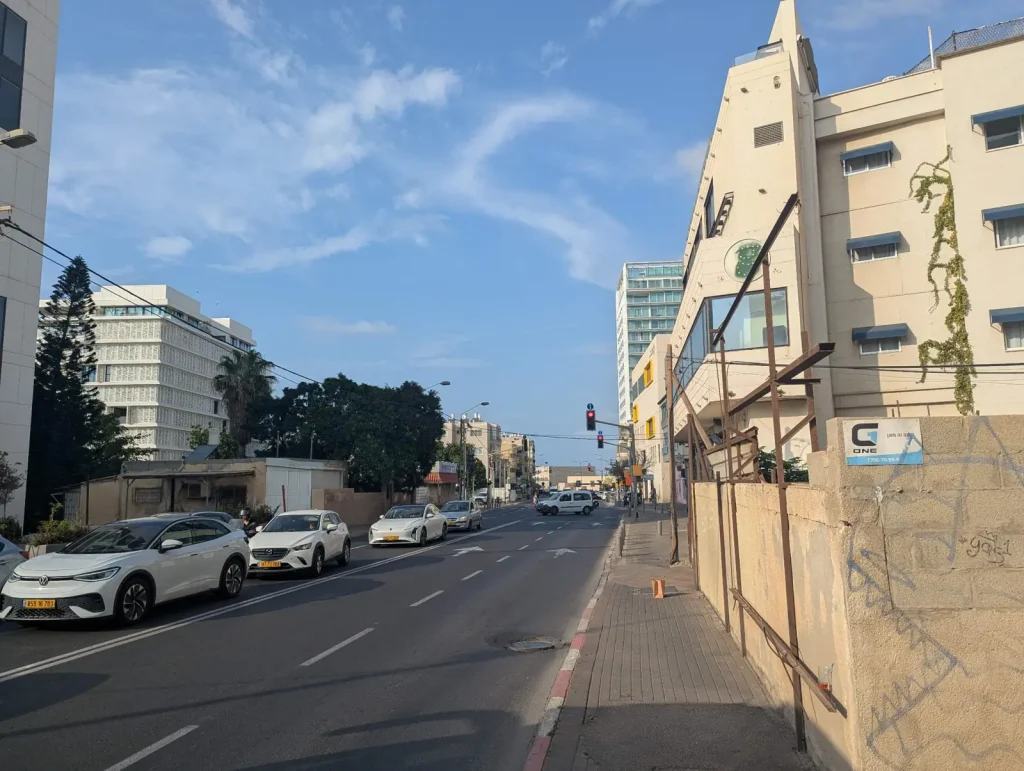
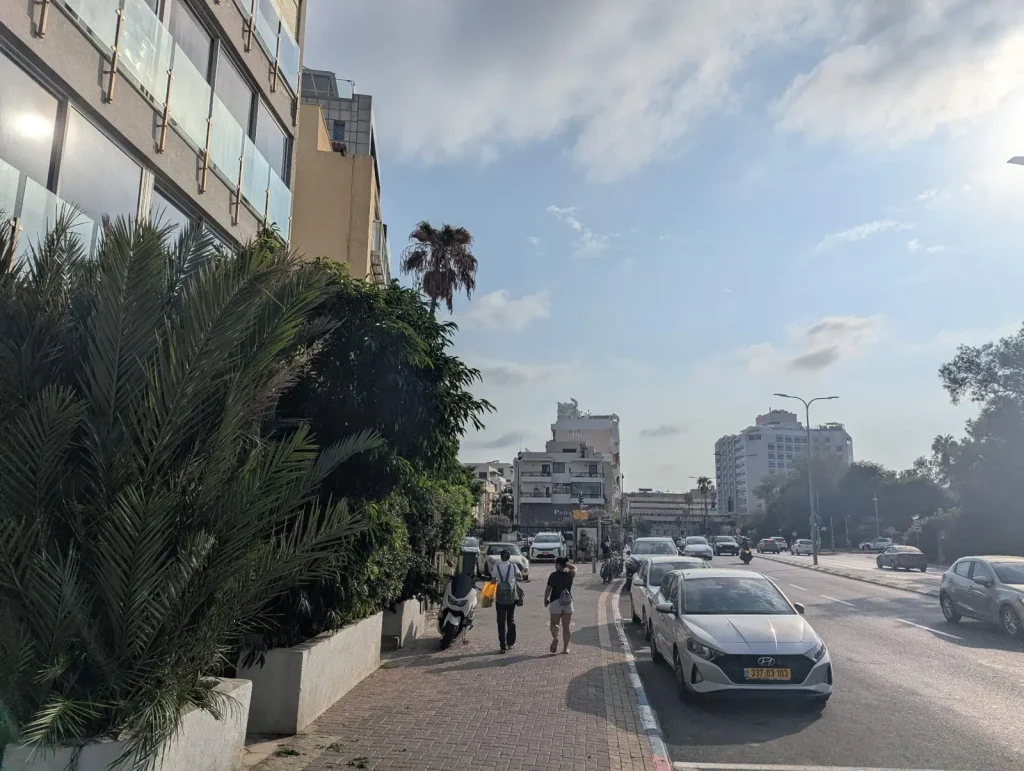
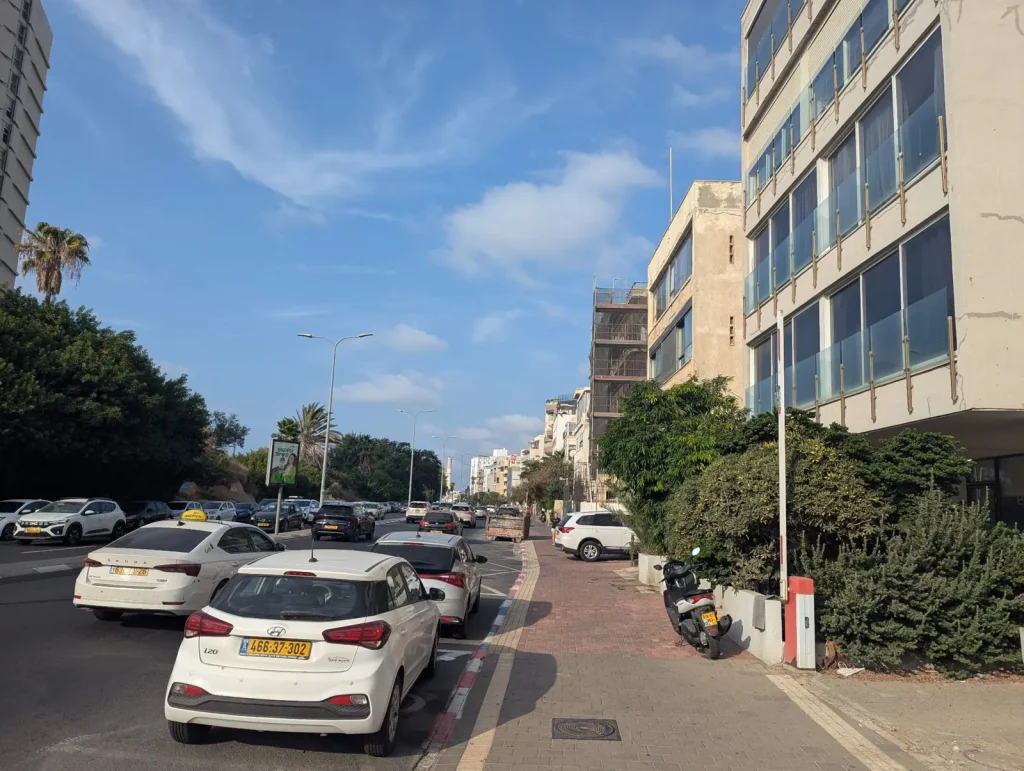
Street-level photos of the Old North
These are the streets behind the seafront, from the port down toward Gordon: Hayarkon, Vitkin, Yirmiyahu, Ben Gurion Boulevard and the side streets in between.


The hotel strip and city center: Frishman to Trumpeldor
Beaches: Frishman, Bograshov and Trumpeldor.
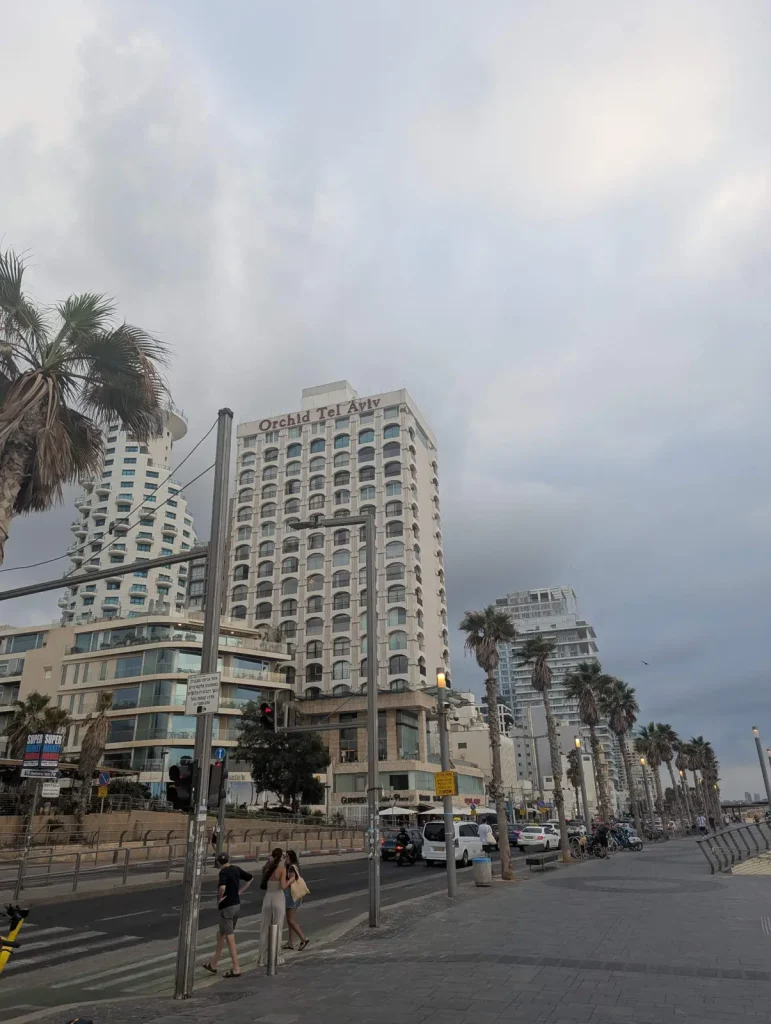
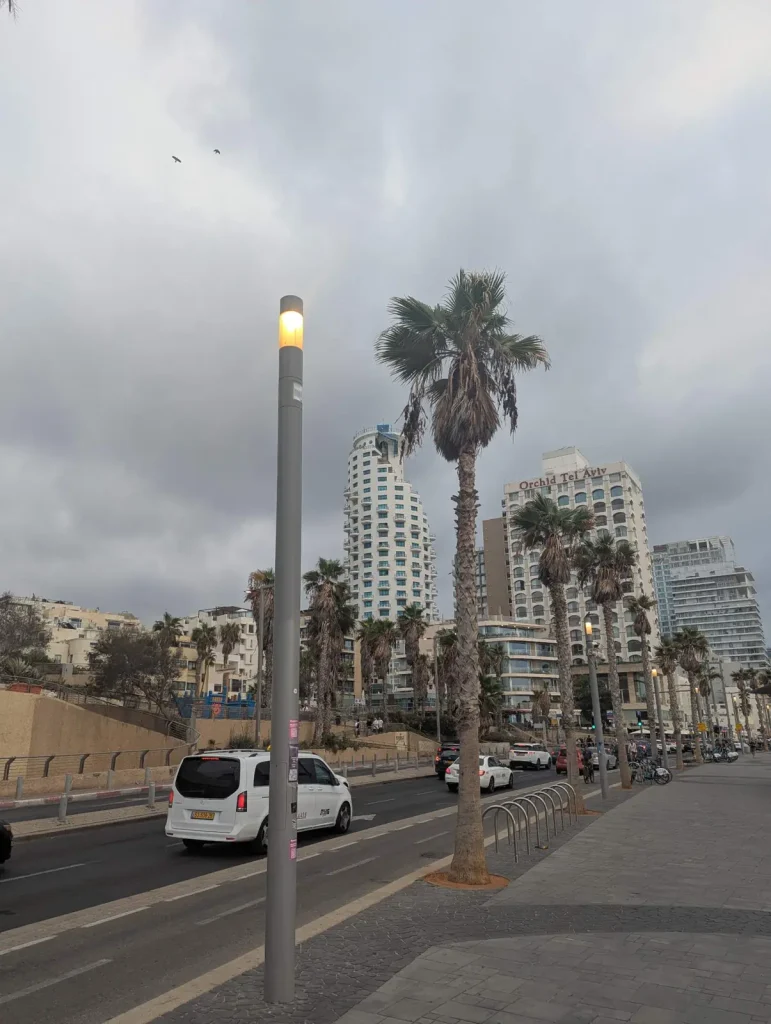
The first line here belongs to hotels. HaYarkon Street and Herbert Samuel are lined with them, so apartments start one block back, around Ben Yehuda Street, and continue east toward Dizengoff.
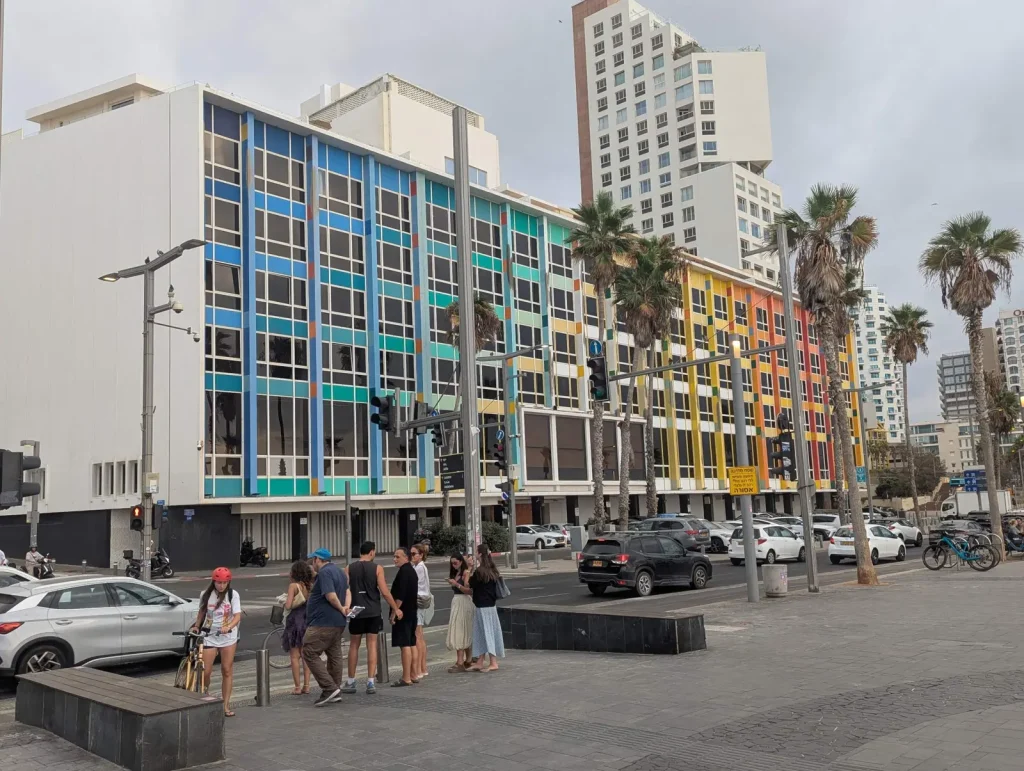

What the apartments are like. Small, in Bauhaus-era buildings that are part of the White City. Many are rented furnished or for short stays. Elevators and parking are uncommon in the older buildings. More on the architecture in our Bauhaus guide.
Daily life. The loudest and most convenient part of the coast. Bars, restaurants, buses and beach crowds run late. Frishman and Bograshov draw a young, social crowd; Trumpeldor is the calmest of the three.
Cars. Street parking is among the hardest in the city without a resident permit. See the parking guide before you bring one.
Sea views. Mostly blocked by the hotels. Upper floors and rooftops sometimes get a slice of blue between them.
Who it suits. Singles, people staying a few months, and anyone who wants to live without a car.
Only visiting? See hotels near Frishman, Bograshov and Trumpeldor.
Kerem HaTeimanim: the closest you can live to the sand
Beach: Jerusalem Beach (Geula), where breakwaters keep the water calm.
Kerem HaTeimanim, the Yemenite Quarter, sits between the Carmel Market and the sea. Most of it is a 2 to 6 minute walk from the water, closer than any other residential neighborhood in the center.
What the apartments are like. Low houses on narrow lanes, many from the early 1900s. Some are restored or replaced by small new buildings. Others have had little work done, so check each one for light, damp and noise before you commit to the address.
Daily life. The market next door means fresh food, early deliveries and crowds. Friday before Shabbat is the busiest time. Saturday, when the market is closed, is the quietest.
Your neighbors. Many are short-stay guests. One market study ranks the Kerem among the city’s top areas for holiday rentals and calls the streets around the market oversaturated with them (Sands of Wealth, September 2026).
Cars. The lanes are narrow and parking is close to impossible. This is a neighborhood for people who walk.
Who it suits. People who want the beach, the market and the city center all within ten minutes on foot.
Neve Tzedek: the most expensive address near the water
Beaches: Banana Beach and Charles Clore Beach and Park.
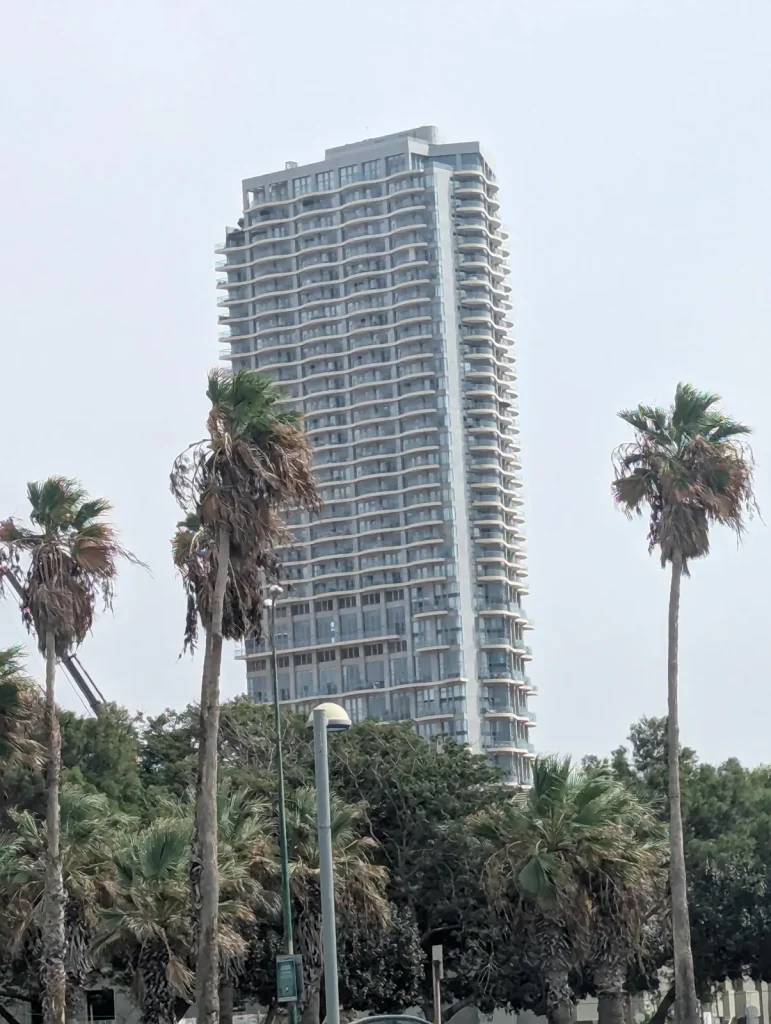
Neve Tzedek was founded in 1887, before Tel Aviv itself, and it is the priciest of the six areas. Restored one and two story houses line narrow streets, with a few towers at the edges.
The walk. About 5 to 10 minutes, with one main road to cross before the sand. Charles Clore Park adds seafront lawns and a sunset view toward Old Jaffa.
What the apartments are like. Restored houses, small boutique buildings, and a handful of luxury towers. Supply is tiny, which is the main reason prices are so high.
Daily life. Shabazi Street has the boutiques and cafes, and the Suzanne Dellal dance center is the neighborhood’s landmark. Days and weekends bring visitors. Nights are quiet compared with the center.
Cars. Narrow one-way streets and very little parking.
Sea views. Only from the towers and a few rooftops. The houses are too low.
Who it suits. Renters and buyers with a large budget who care more about character than square meters.
Jaffa and Ajami: value, sea views and a quieter beach
Beaches: Maravi Beach, Ajami (Givat Aliyah) Beach and the Bat Yam border beach.
Jaffa is the southern end of the city and its oldest part. North Jaffa, around the flea market and the port, is busy and popular with visitors. Ajami, further south, is a residential neighborhood of Arab and Jewish families on a slope above the sea.
What the apartments are like. Old stone houses, some of them protected heritage buildings, next to new low-rise projects built for the view. Quality and price change a lot from one street to the next.
Daily life. Slower and quieter than the center. Ajami Beach is a neighborhood beach that most tourists never find, and parking there is free. The Red Line light rail runs along Jerusalem Boulevard and connects Jaffa to the city center.
Sea views. More realistic here than anywhere else south of the Yarkon, because much of Ajami sits on a hill facing the water.
Prices. On average the lowest of the six areas, with a wide spread. Rents in Tel Aviv are usually cheapest in Jaffa and the south of the city (Sands of Wealth, September 2026).
Who it suits. People who want more space for the money, a real chance of a sea view, and a beach without the crowds.
What it costs to live near the beach
Tel Aviv is the most expensive city in Israel to rent or buy in, and the beach neighborhoods sit above the city average.
| Figure | Amount | Period | Source |
|---|---|---|---|
| Average monthly rent in Tel Aviv, all sizes | NIS 7,351 | Q1 2026 | Central Bureau of Statistics, via Ynet |
| Average monthly rent, 4.5 to 6 rooms | NIS 11,220 | Q1 2026 | Central Bureau of Statistics, via Ynet |
| Average apartment sale price in Tel Aviv | About NIS 4.59 million | Q1 2026 | Central Bureau of Statistics, via Buy It In Israel |
| Rent for a modern 2 to 3 room apartment in premium areas (Neve Tzedek, beachfront Old North) | NIS 9,500 to 18,000 a month | Early 2026 | Sands of Wealth estimate |
| Sale price of renovated apartments in the top tier (Neve Tzedek included) | NIS 90,000 to 140,000 per square meter | Early 2026 | Sands of Wealth estimate |
The first three rows are official statistics. The last two are a private estimate, so read them as a range and not as a quote.
Features push the rent up. One estimate puts parking at NIS 500 to 1,200 a month extra, a balcony at NIS 400 to 1,000, an elevator at NIS 300 to 800, and a safe room at NIS 300 to 700 (Sands of Wealth, September 2026).
Two things newcomers miss:
- Rooms are not bedrooms. Israeli listings count the living room. A 3-room apartment has two bedrooms.
- Rent is not the full bill. Tenants usually also pay arnona (municipal tax), vaad bayit (building fees) and utilities.
What nobody tells you about living by the sea
- Salt eats metal. Air conditioner units, window frames, balcony railings, bikes and cars rust faster near the water. Ask how old the air conditioner is before you sign.
- Humidity means mold. Ground floors and rooms without sun get damp in winter. Look at ceilings and inside closets.
- Winter is windy. Storms arrive from the sea, so west-facing windows and balconies take the rain and the sand. Here is what the beach looks like in winter.
- Summer is loud. Weekend crowds, matkot, beach bars and events. The closer you are to the sand, the more of it you hear.
- Old buildings often have no safe room. Safe rooms inside apartments became a requirement in new construction in the early 1990s. Older buildings rely on a shared shelter or the stairwell, so ask where the nearest one is. See the guide to bomb shelters near the beach.
- Renewal means building sites. An appraiser quoted by Ynet in May 2026 said about 20% of construction starts in Israel are urban renewal projects, each lasting three to four years. A quiet street can get one next door.
- Parking is its own cost. Residents get a zone permit. Guests pay, and so do you outside your zone. Details are in the parking guide.
First line or two streets back?
The first line has the view. It also has the traffic, the bar noise and the most salt. On most of the central coast the first line is HaYarkon Street and Herbert Samuel, and much of it is hotels.
Two or three streets back, around Ben Yehuda and east of it, the walk to the sand is still about five minutes. The streets are quieter and the rents are lower.
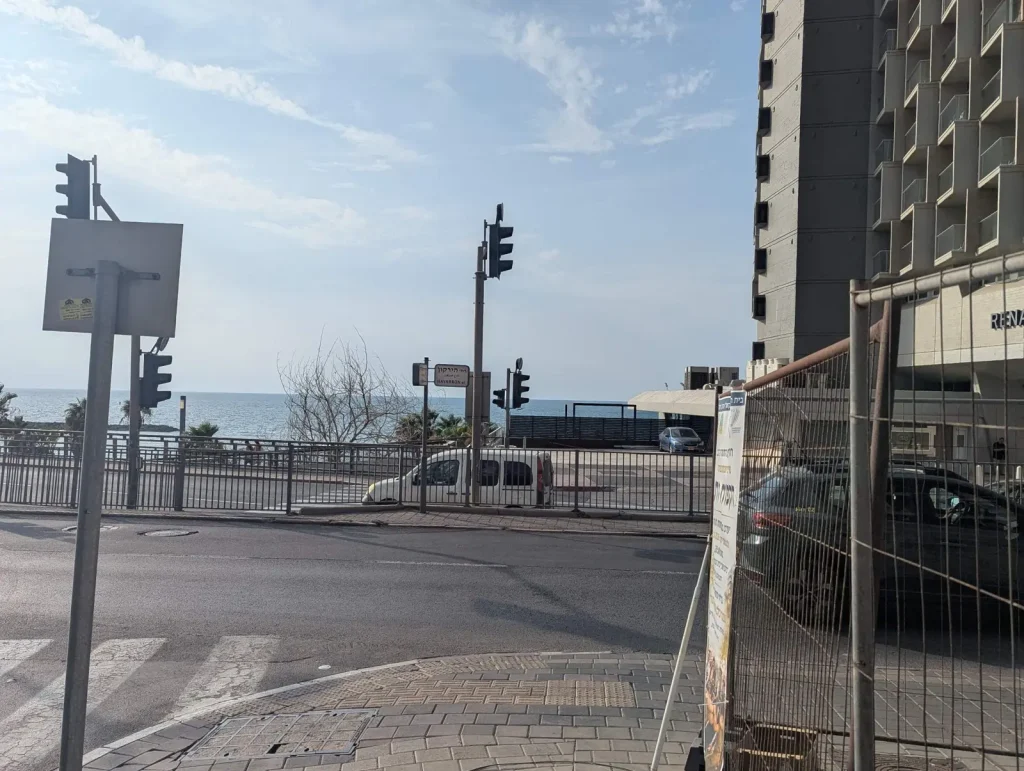
One market study says foreign buyers often pay a beach premium for apartments that face traffic and not water, and that a quieter street a block away is usually the better deal (Sands of Wealth, September 2026).
Two checks before you commit:
- Visit the street at 11 pm on a Thursday and at 7 am on a Friday.
- If the listing says sea view, ask which room has it and from what height. It can mean a slice of blue between two hotels.
Living near the beach in Tel Aviv: FAQ
Which Tel Aviv neighborhood is closest to the beach?
Kerem HaTeimanim. Most of it is a 2 to 6 minute walk from Jerusalem Beach. The streets just behind the hotels at Frishman and Bograshov are about as close.
Which beach neighborhood is the quietest?
The neighborhoods north of the Yarkon, near Tel Baruch Beach. In the center, the side streets of the Old North are the calmest. In the south, Ajami.
Which is best for families?
The Old North and the neighborhoods north of the Yarkon. Metzitzim Beach, at the top of the Old North, has shallow water and a playground. See beaches with kids.
Where is it cheapest to live near the beach in Tel Aviv?
Jaffa, on average. Prices there vary widely by street, and new sea-view buildings in Ajami can cost as much as the center.
Can I get a sea view on a normal budget?
Rarely in the center, where hotels and towers hold the first line. The better odds are on the Ajami slope, in the towers north of the Yarkon, or on an upper floor with a partial view.
Do apartments near the beach have safe rooms?
Newer buildings do. Many older ones do not, and they rely on a shared shelter. Ask before you sign, and check the map of bomb shelters near the beach.
What does a 3-room apartment mean in Israel?
Two bedrooms and a living room. Israeli listings count every room except the kitchen and bathrooms.
Where to go next
- Not sure which beach fits you? Use the Beach Finder, then look at the neighborhood behind your match.
- Only visiting? The Hotel Finder and the seaside hotels pages list places to stay near each beach.
- Want to see how the neighborhoods connect? Walk the Tayelet boardwalk, which links every beach from the Port to Jaffa.
Looking at apartments near one particular beach and want to know what the area is really like? Get in touch.
Sources
- Ynet, Israel’s rental prices kept rising in early 2026, 24 May 2026. Central Bureau of Statistics rent figures for Q1 2026.
- Buy It In Israel, Israel Home Prices Are Rising Again, 15 May 2026. Central Bureau of Statistics average apartment prices for Q1 2026.
- Sands of Wealth, What are the best areas for real estate in Tel Aviv?, updated 21 September 2026.
- Sands of Wealth, How much are the rents in Tel Aviv right now?, updated 21 September 2026.

Solomon (Shlomo) Wiesen is the author and photographer behind TLV Beaches. Originally from New York, he moved to Israel in 2011 and lives in Tel Aviv, a short walk from Frishman and Bograshov beaches. Every guide on the site is written from the beach, with more than 200 of his own photos of the Tel Aviv coast. He works in marketing, SEO and startups.
Leave a Reply