
By Solomon Wiesen, TLV Beaches. Last reviewed October 2026.
Tel Aviv’s Namal (Port) is one of the city’s best places to spend a few hours, with history, culture, food, and the Mediterranean right in front of you. And right next to HaYarkon park!
At a glance
- What it is: Tel Aviv’s old port, now a free seafront area of restaurants, shops, a market and a boardwalk
- History: opened 1936, inaugurated 1938, closed as a port in 1965, redeveloped in the 2000s
- Entry: free, open daily; each business sets its own hours
- Entrances: 1 Kaf-Gimel Yordei HaSira Street and 3 HaTa’arucha Street
- Market: Shuk HaNamal in Hangar 12; farmers market on Fridays (check for renovation closures)
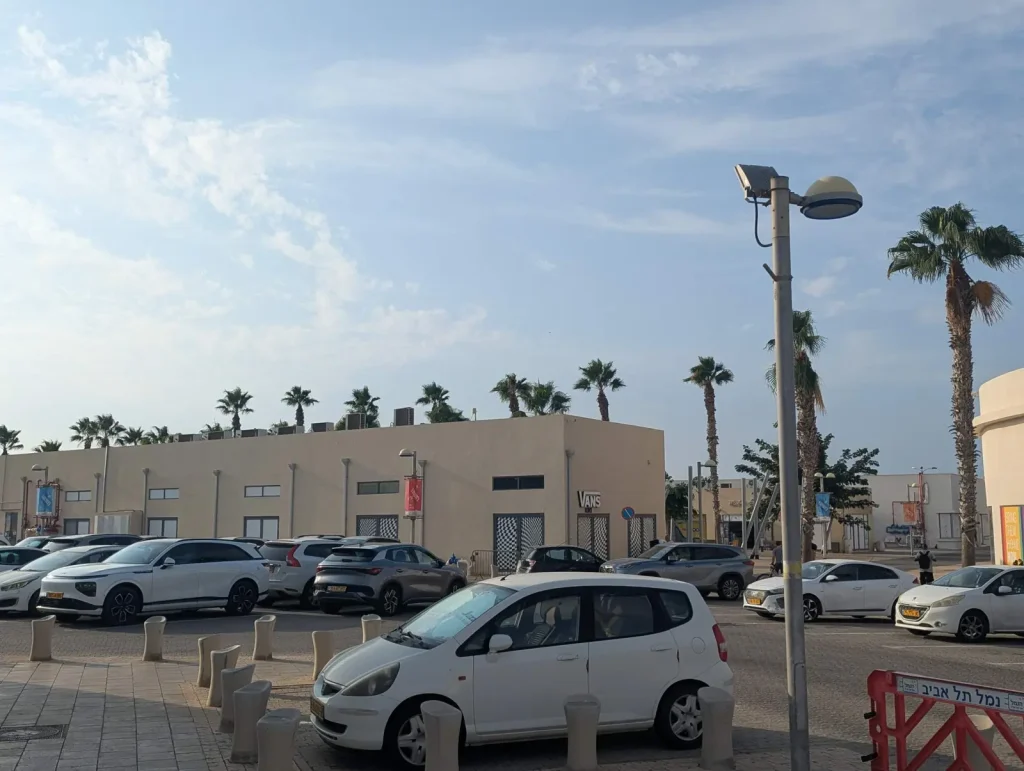
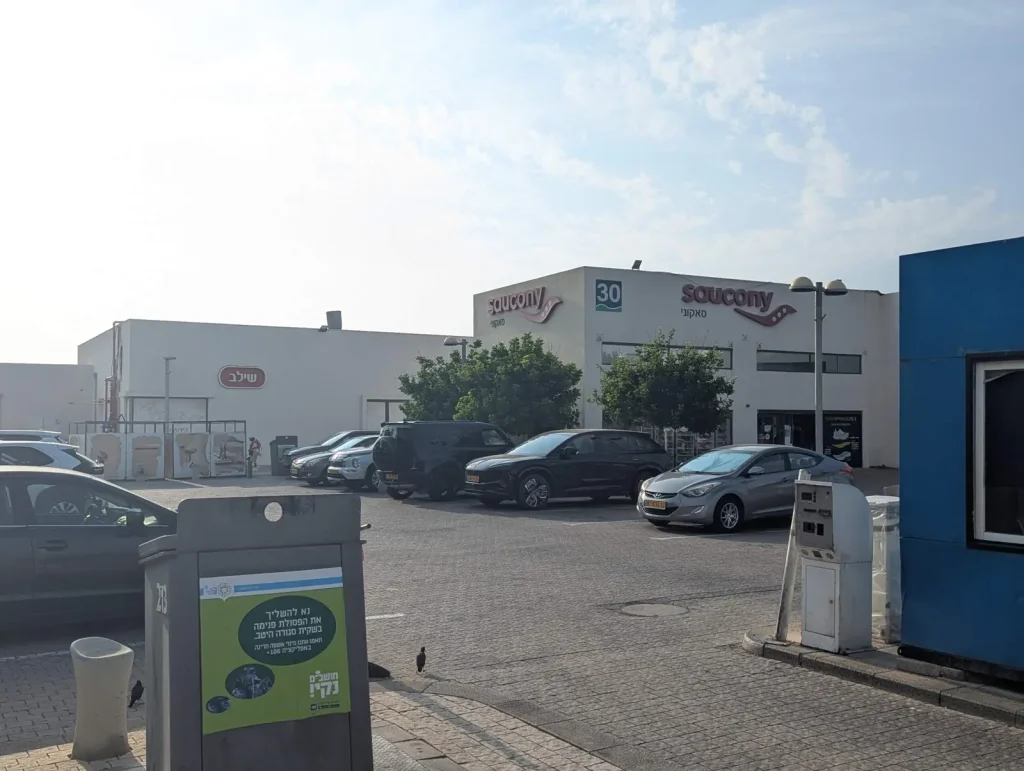
- Parking: several paid lots, open around the clock
- Nearest beach: Metzitzim Beach, just south of the port
Hangar 12 was due to close for renovation in 2026; check that the market is open before you go.
Source: the port's official website, Wikipedia and Time Out Tel Aviv, checked October 2026.

Located at the northern end of the central beach strip, where the Yarkon River meets the sea, the Namal has transformed from an abandoned industrial area into one of Tel Aviv’s most popular hangouts for locals and tourists.
Come for a walk by the water, for the restaurants, or for the nightlife.
History of the Port
The port opened on a small scale in 1936, as a response to the Arab strike that shut Jaffa’s port, and was officially inaugurated on 23 February 1938. It worked as Tel Aviv’s port until 25 October 1965, when operations moved to Ashdod. It is right on the beach and easily accessible for all.
For years, the area was neglected until a revitalization project in the 2000s turned it into a busy promenade with a rolling wooden boardwalk, inspired by ocean waves. The design, by Mayslits Kassif Architects with Galila Yavin, won the Rosa Barba European Landscape Prize in 2010.
Today, the Namal is one of Tel Aviv’s most visited locations. It is run by Otzar Mifalei Yam, part of the city’s Atarim group.

Dining With a View
The Namal is a good place to eat, with a mix of fine dining, casual eateries, and markets. Some spots to try:
- Yulia: in Hangar 2, a fish and seafood restaurant that has been here since 2005.
- Shalvata: a lounge bar by the water, good for cocktails at sunset.
- Shuk HaNamal: the indoor food market in Hangar 12, with stalls and counters to eat at (see the renovation note below).
The port has about 30 restaurants, bars and cafés, and the line-up changes, so check the port’s own restaurant list before you set your heart on one.
Shopping & Local Markets
The indoor food market, Shuk HaNamal, is in Hangar 12, with fresh produce, artisanal cheeses, and gourmet products, and the farmers market sets up outside on Fridays. The port lists the market’s hours as Sunday 9:00 to 16:00, Monday to Thursday 9:00 to 19:00, Friday 7:00 to 15:00 and Saturday 9:00 to 17:00. One warning: Time Out reported in January 2026 that Hangar 12 was due to close for renovation, so check that the market is open before you plan a visit around it. For unique fashion and home decor, check out the Namal’s boutique stores, selling everything from Israeli-designed clothing to handmade crafts.
Outdoor Fun & Activities
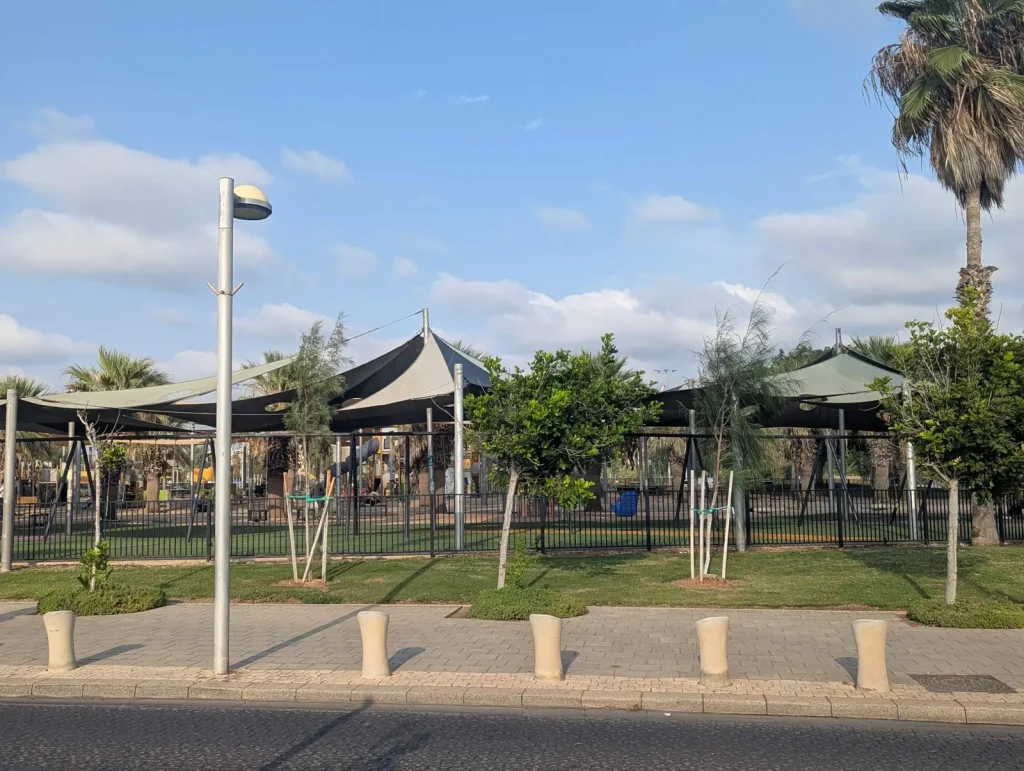
The Namal is perfect for outdoor enthusiasts. The wide wooden boardwalk is great for jogging, cycling, or just a leisurely stroll with sea breezes. The nearby Sportek complex offers trampolines, rock climbing, and basketball courts. If you’re traveling with kids, there is a big playground on the boardwalk.

One thing the old port does not have is boats: it stopped working as a harbour in 1965. For sailing and boat trips, go to the Tel Aviv Marina or Jaffa Port.
Nightlife & Events
The Namal comes alive at night with live music, DJ sets, and cultural events. Popular nightlife spots include Shablul Jazz Club, hosting top Israeli jazz musicians, and Hangar 11, the port’s venue for concerts and big events.
Throughout the year, the Namal hosts markets, exhibitions and other events. Check the official Tel Aviv Port website for upcoming festivals.
How to Get There & Parking

The Namal is accessible by bus (several lines run north along Ben Yehuda and Dizengoff streets and end near the port; check a journey planner for the current ones) and by bike via Tel Aviv’s citywide bike lanes. The entrances are at 1 Kaf-Gimel Yordei HaSira Street and 3 HaTa’arucha Street. If driving, the port has several paid parking lots that are open around the clock, and there is also the Reading Terminal parking lot, a short walk away.

With its mix of history, culture, food, and entertainment, the Namal is worth a visit on any Tel Aviv trip, for a morning coffee, an afternoon of shopping, or a night out by the sea.
FAQ: The Tel Aviv Port (Namal)
1. What is the Namal?
The Namal, or Tel Aviv Port, is a waterfront area with restaurants, shops, markets, and cultural events, right on the Mediterranean Sea. It has transformed from an abandoned industrial port into a popular destination for both locals and tourists.

2. What are the opening hours of the Namal?
The Namal is open year-round, with individual shops, restaurants, and markets operating on varying schedules. The port itself is open every day and free to enter.

3. Is there an entrance fee to visit the Namal?
No, there is no entrance fee to visit the Namal. You can stroll along the promenade, enjoy the views, and access the public spaces for free. Costs may arise when dining or shopping at specific establishments.

4. What types of dining options are available at the Namal?
The Namal has casual cafés, upscale restaurants, and street food vendors. Popular choices include seafood, Mediterranean cuisine, vegan options, and international dishes.
5. Are there parking facilities at the Namal?
Yes, there are parking facilities nearby, including the Reading Terminal parking lot and street parking options. However, parking can be limited during weekends and holidays, so arriving early is advisable.

6. What activities can I do at the Namal?
Visitors can enjoy a variety of activities, including dining at waterfront restaurants, shopping at boutique stores, visiting the Tel Aviv Farmers Market, renting bicycles, or taking a stroll along the promenade. There are also events and festivals throughout the year.

7. Is the Namal accessible by public transport?
Yes, the Namal is easily accessible by public transport. Several bus lines stop nearby, and the area is also bike-friendly, with bike-share stations available.

8. Are there events or festivals held at the Namal?
Yes, the Namal hosts various events and festivals throughout the year, including outdoor concerts, food festivals, art exhibitions, and holiday celebrations. Check the Namal’s official website or local listings for upcoming events.

9. Can I bring my dog to the Namal?
Yes, dogs are allowed in the Namal, but they must be kept on a leash. Be mindful of other visitors and follow any specific guidelines provided by individual establishments.

10. What is the best time to visit the Namal?
The best times to visit the Namal are during the late afternoon and evening when the place is lively and you can watch the sunset over the Mediterranean. Weekdays are generally less crowded than weekends.
Sources: the port’s official website (about, directions, parking, restaurants and market pages, Hebrew), Wikipedia on Tel Aviv Port and Time Out Tel Aviv on the market (Hebrew, January 2026). Checked October 2026.
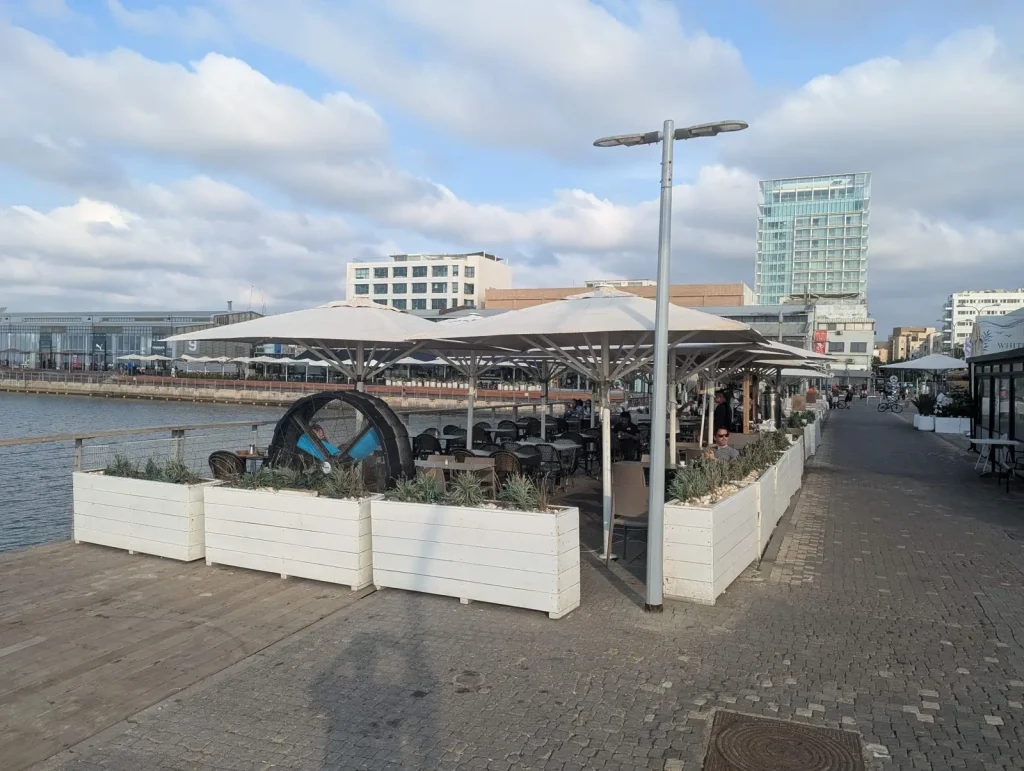
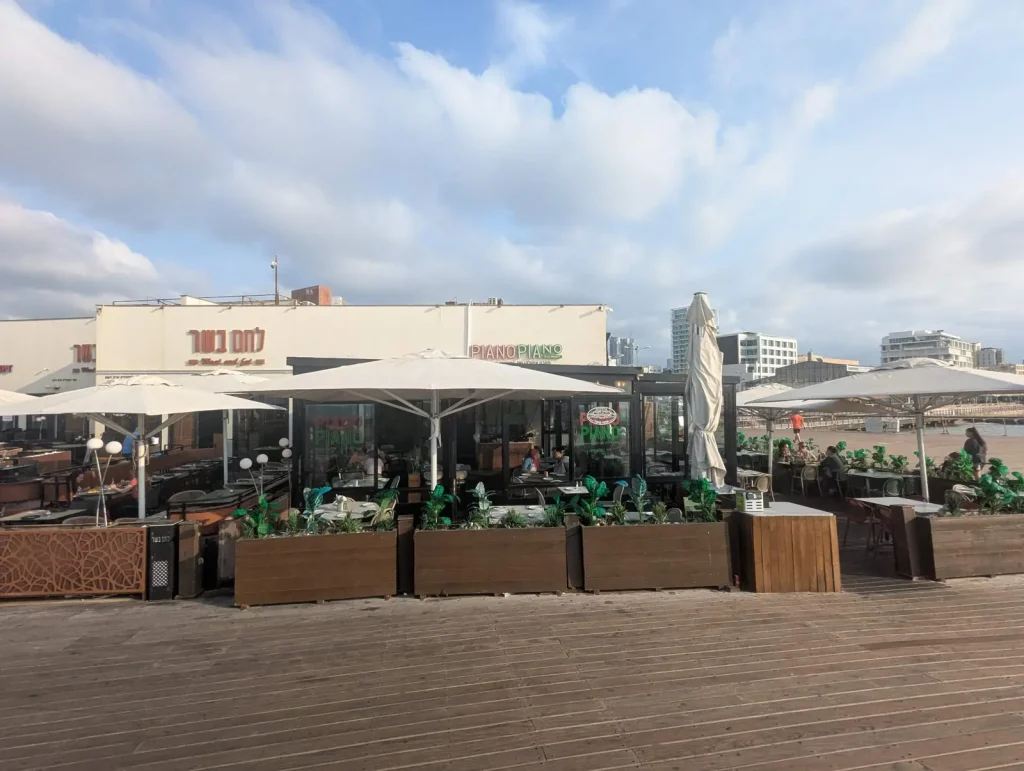
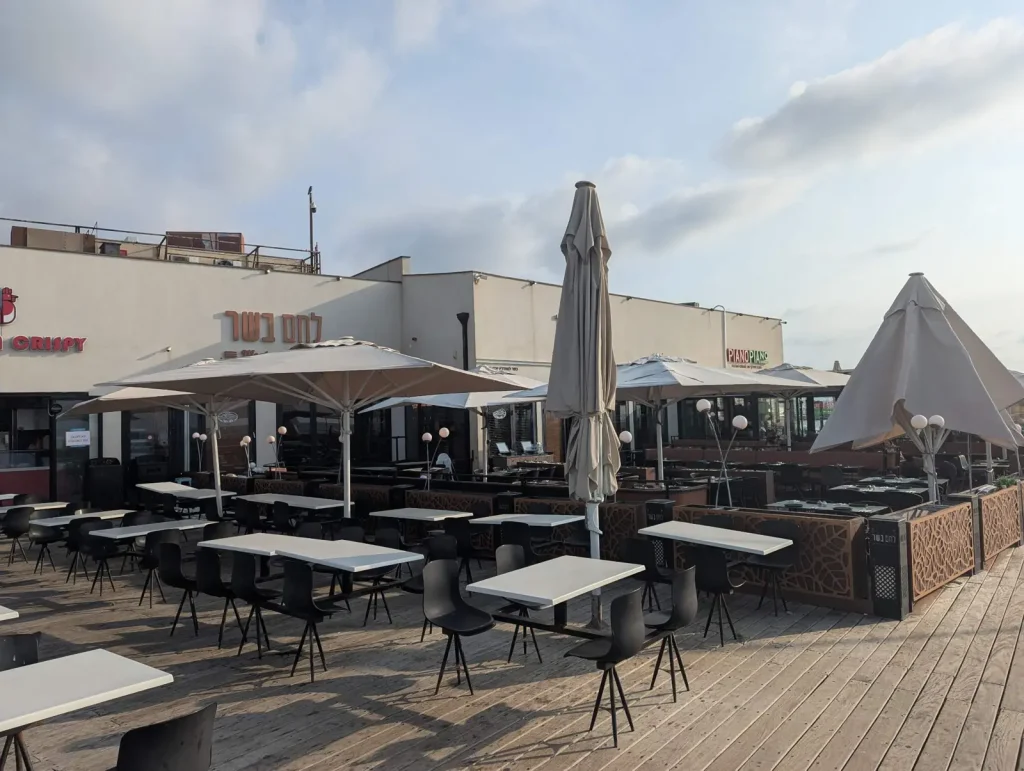
About 30 restaurants and shops line the boardwalk. Entry is free.
Source: the port's official website and Time Out Tel Aviv, checked October 2026.
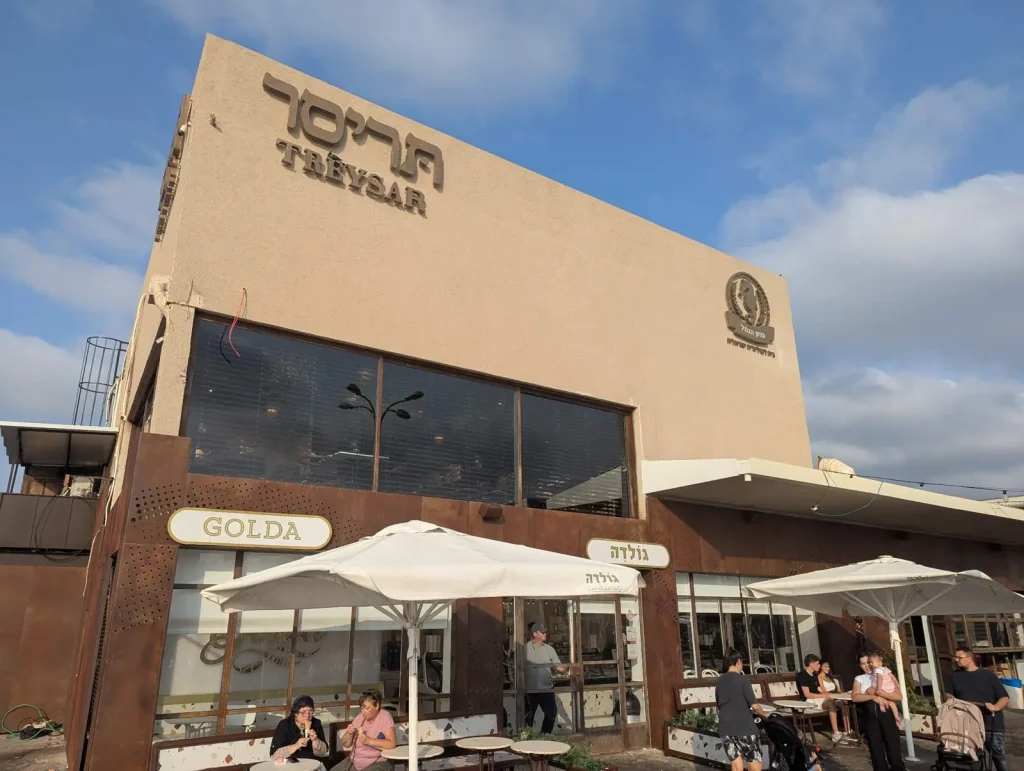
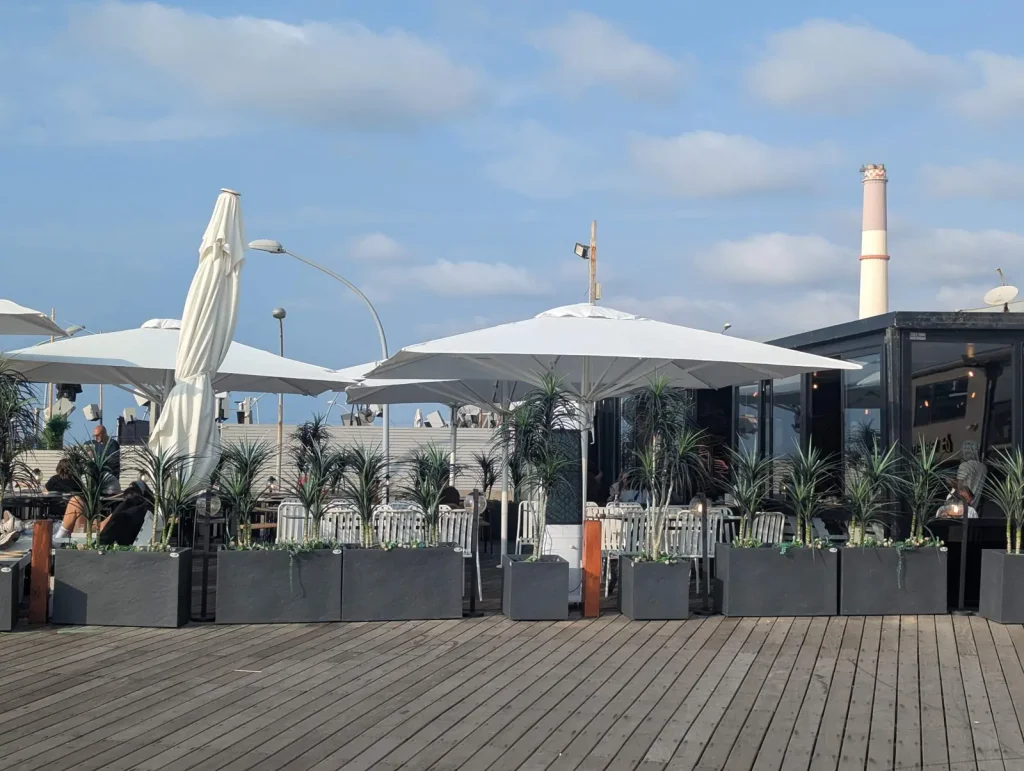
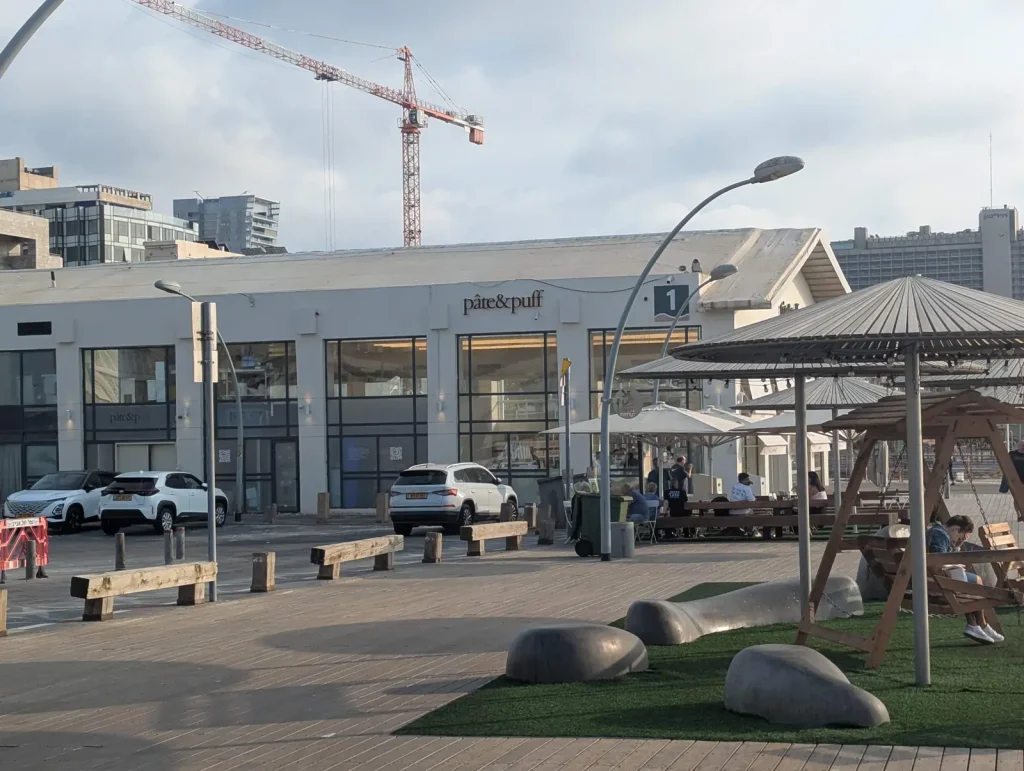
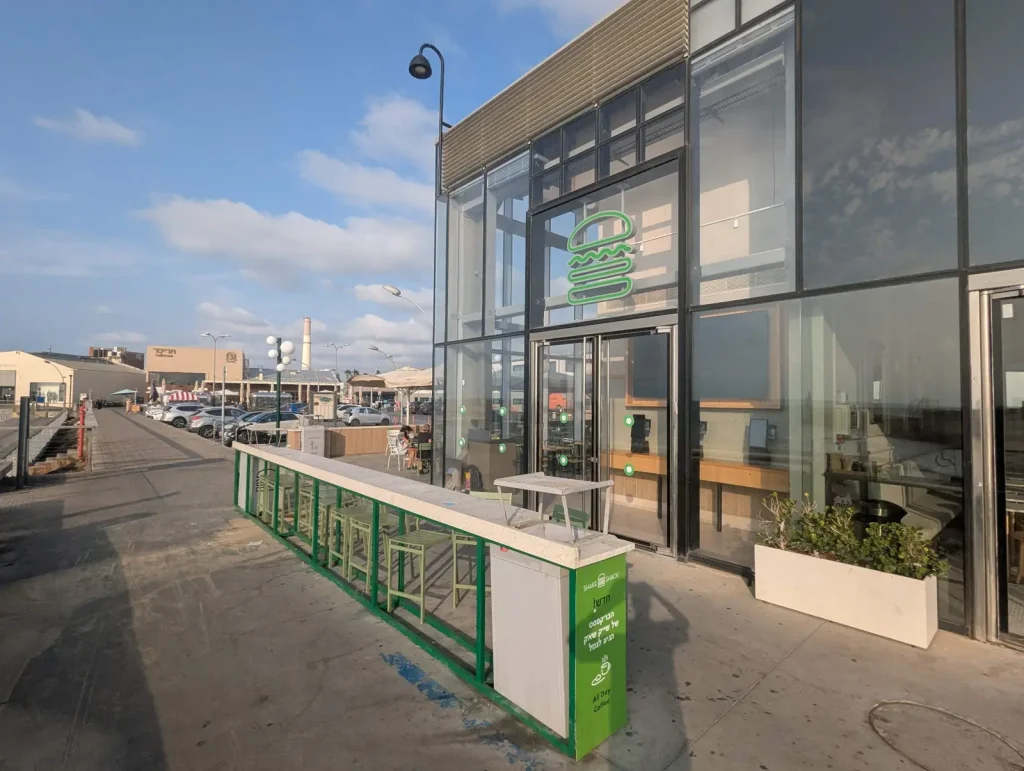
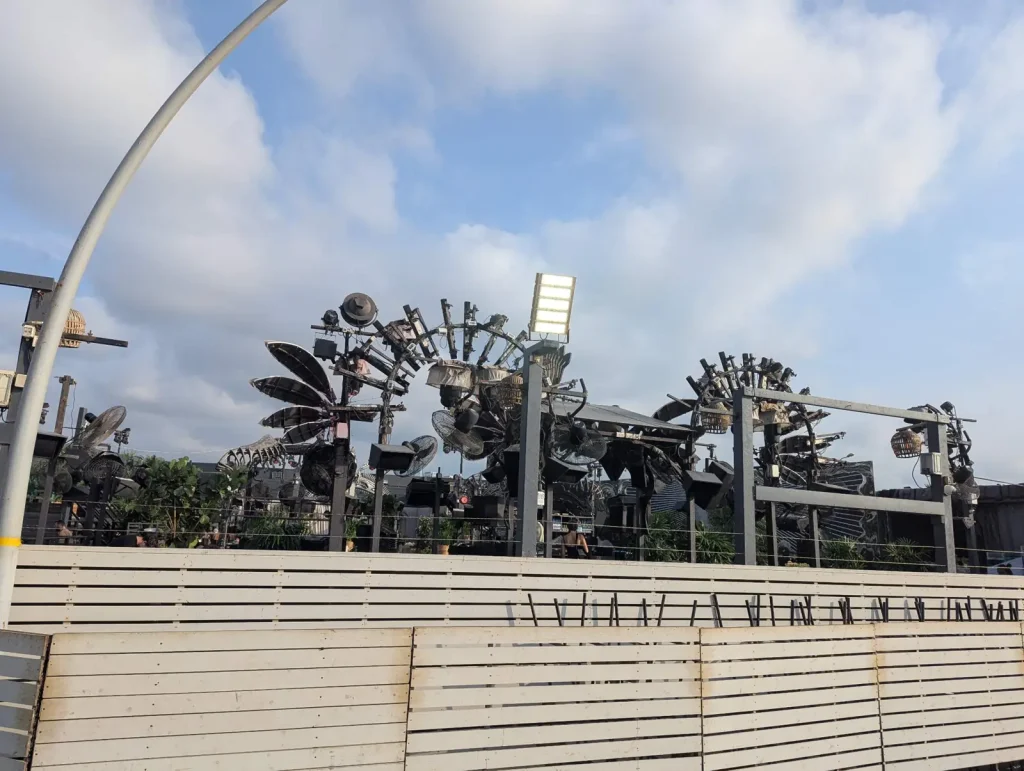
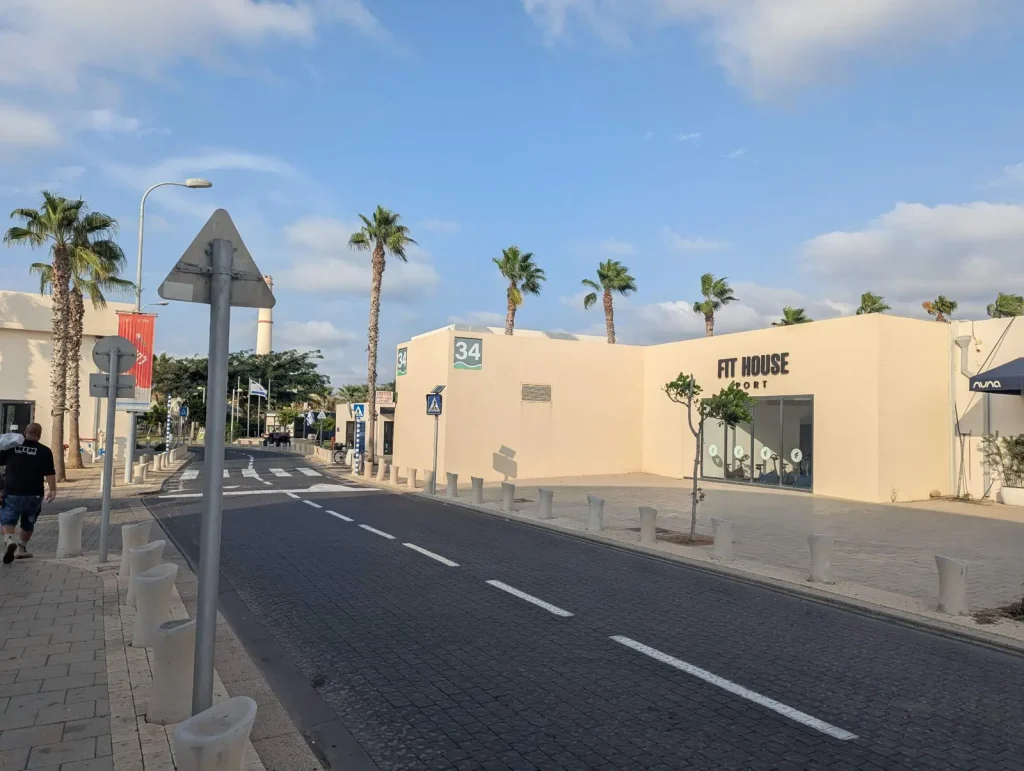
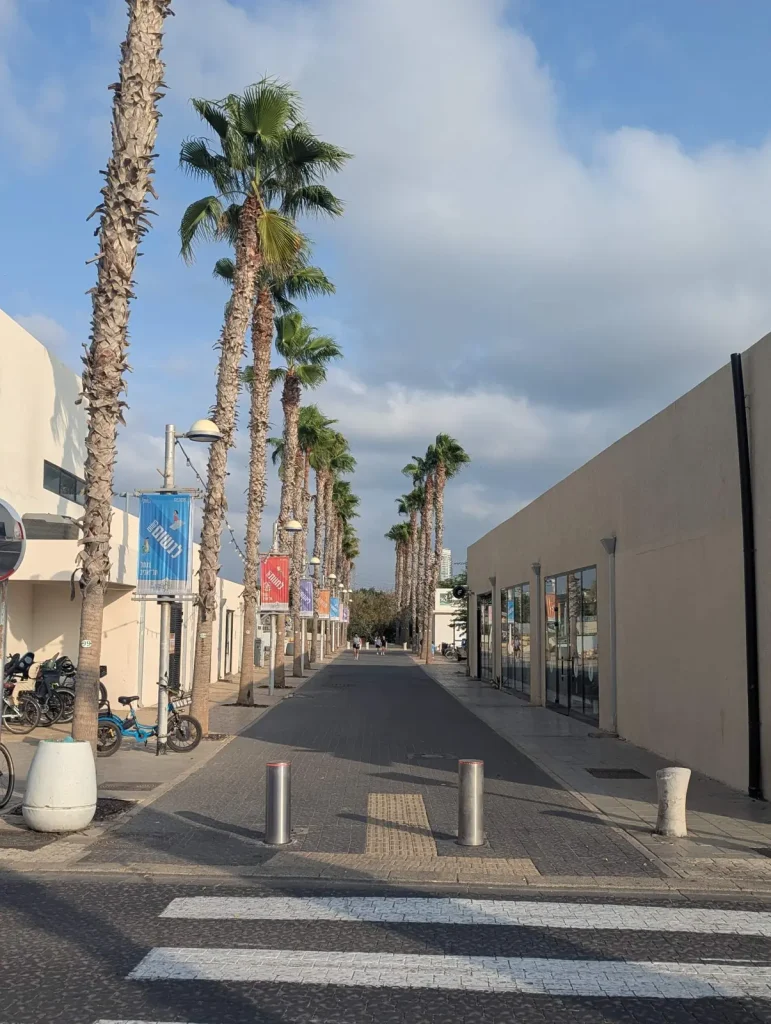
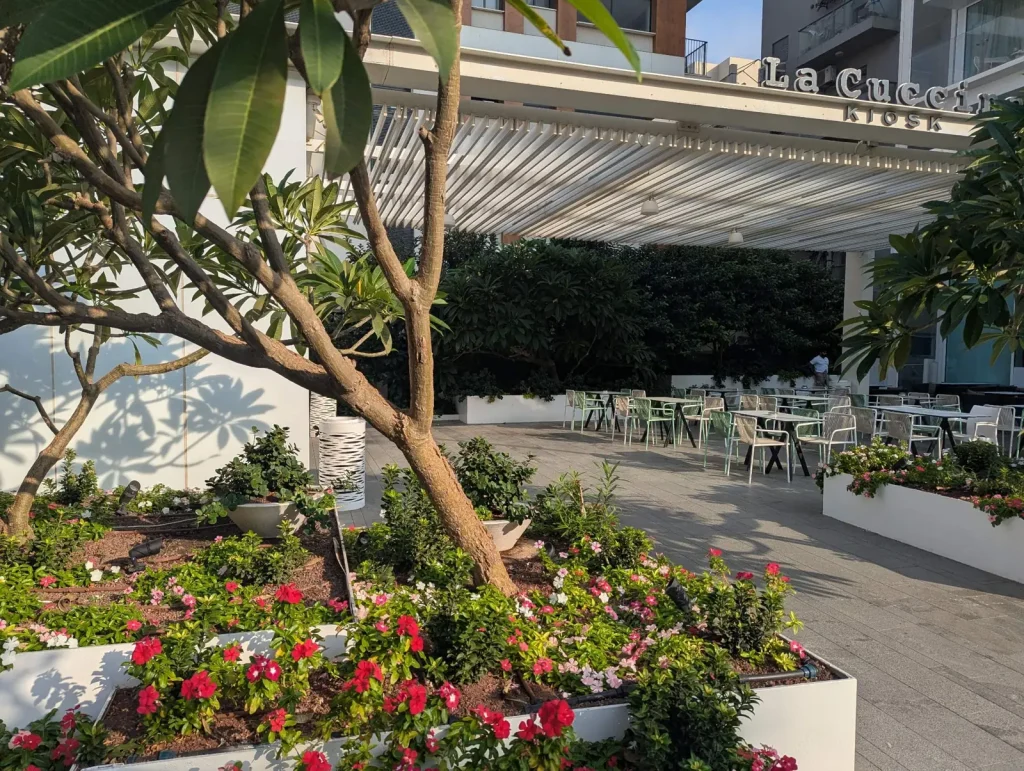
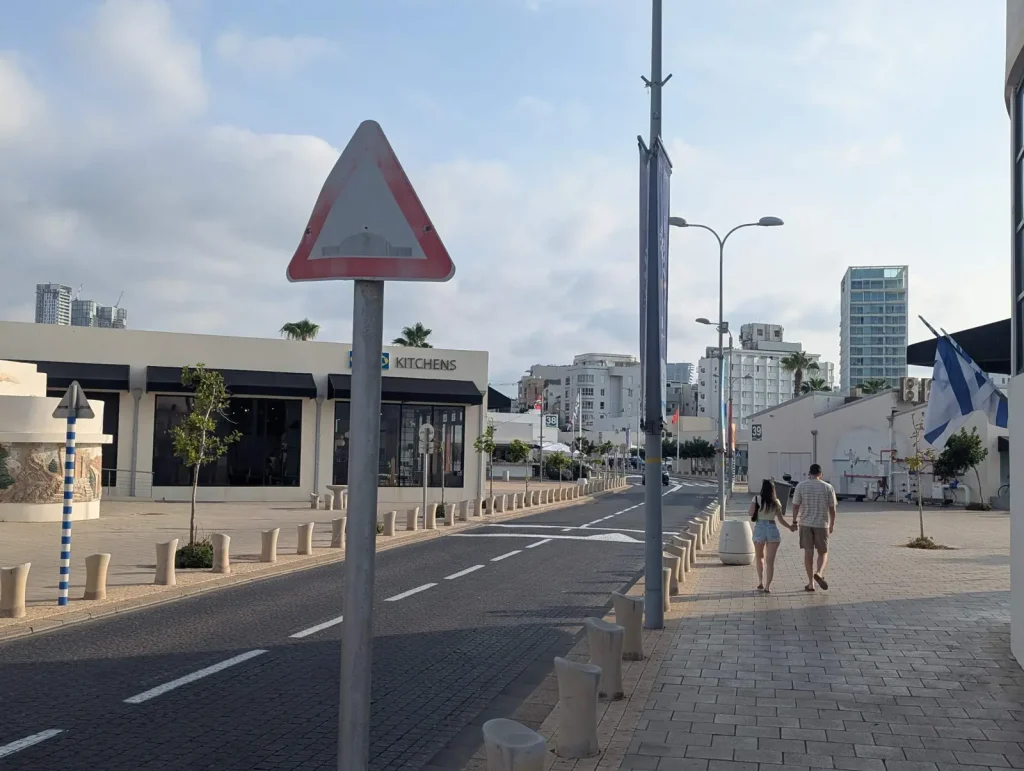
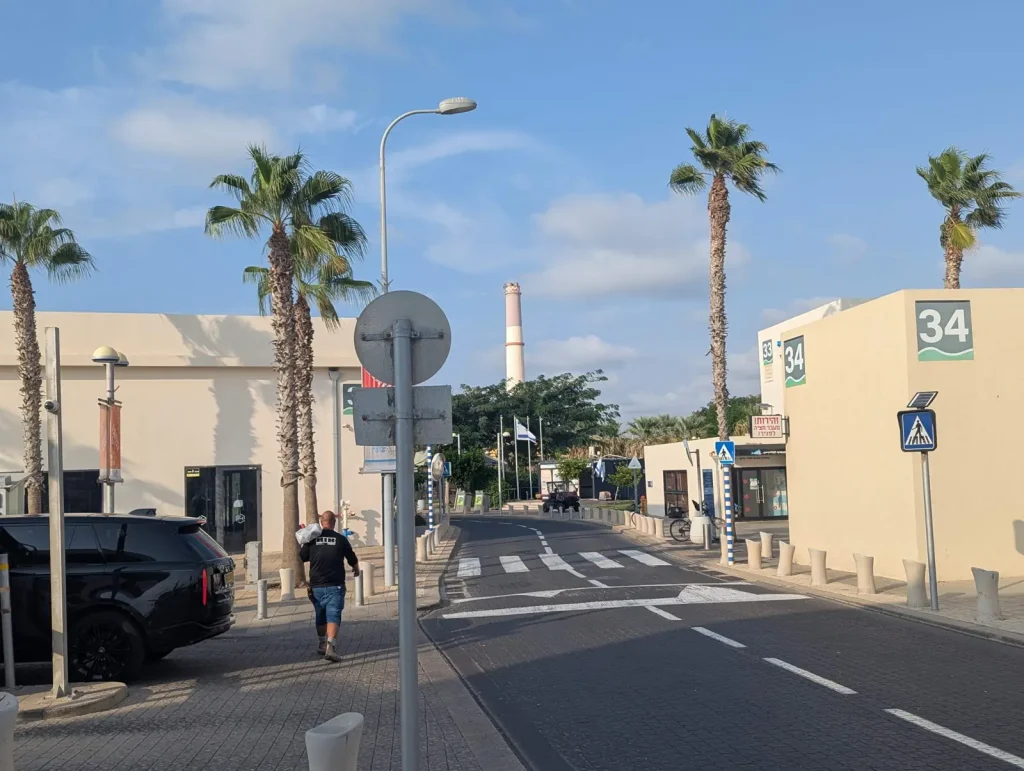
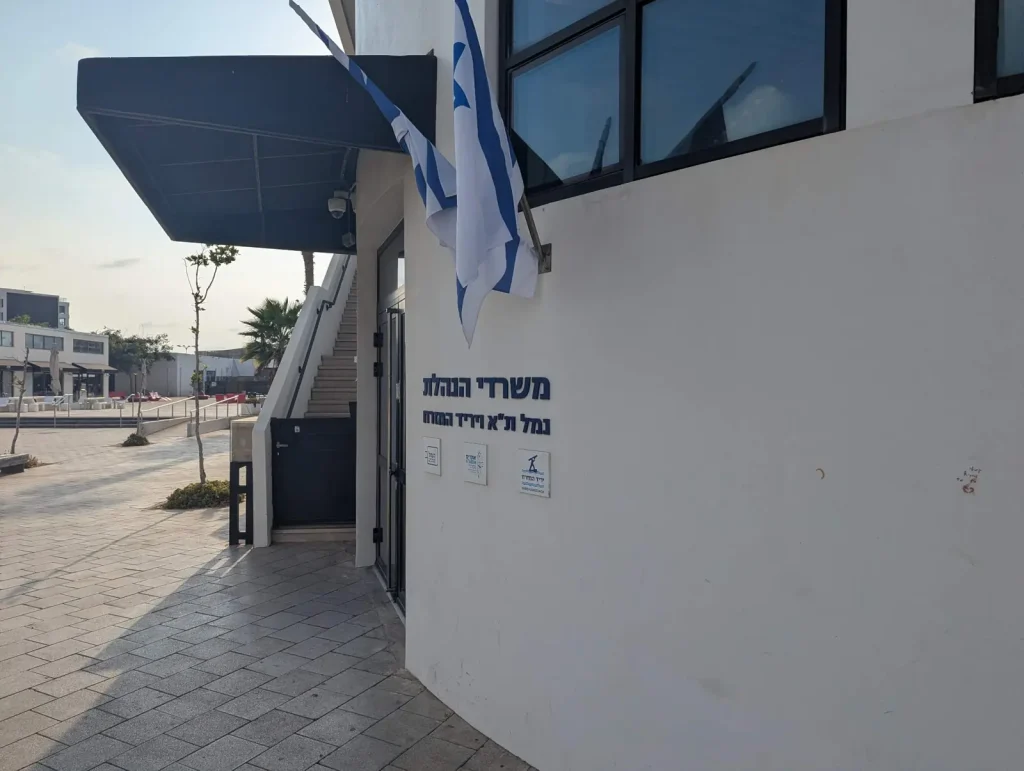
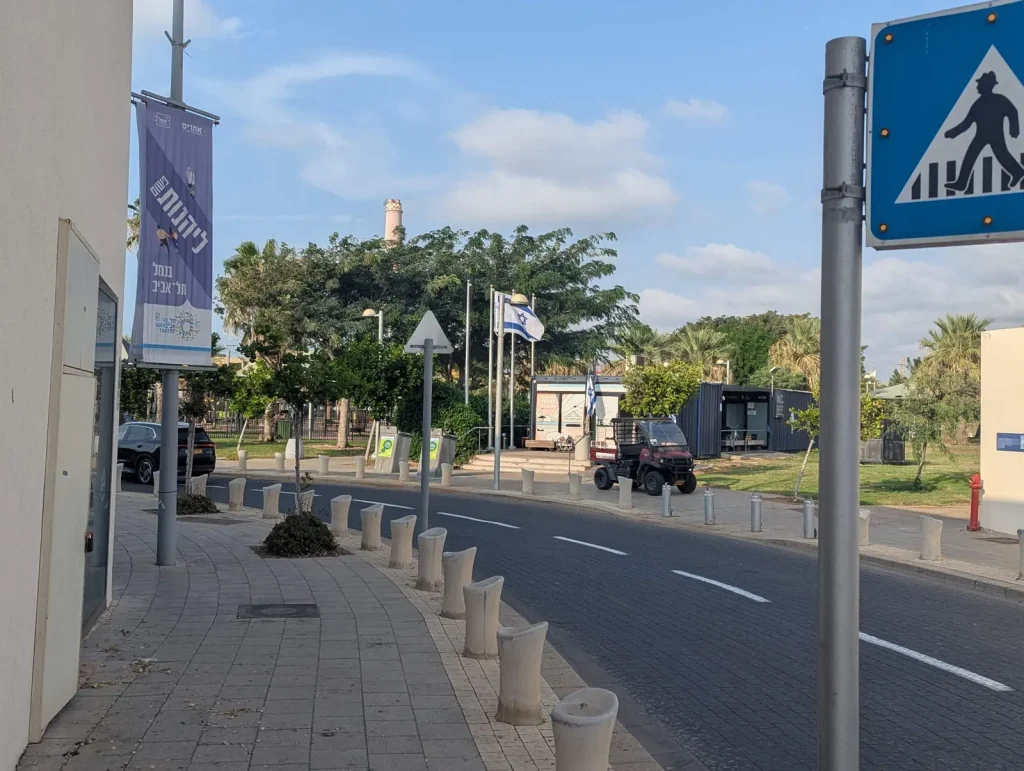
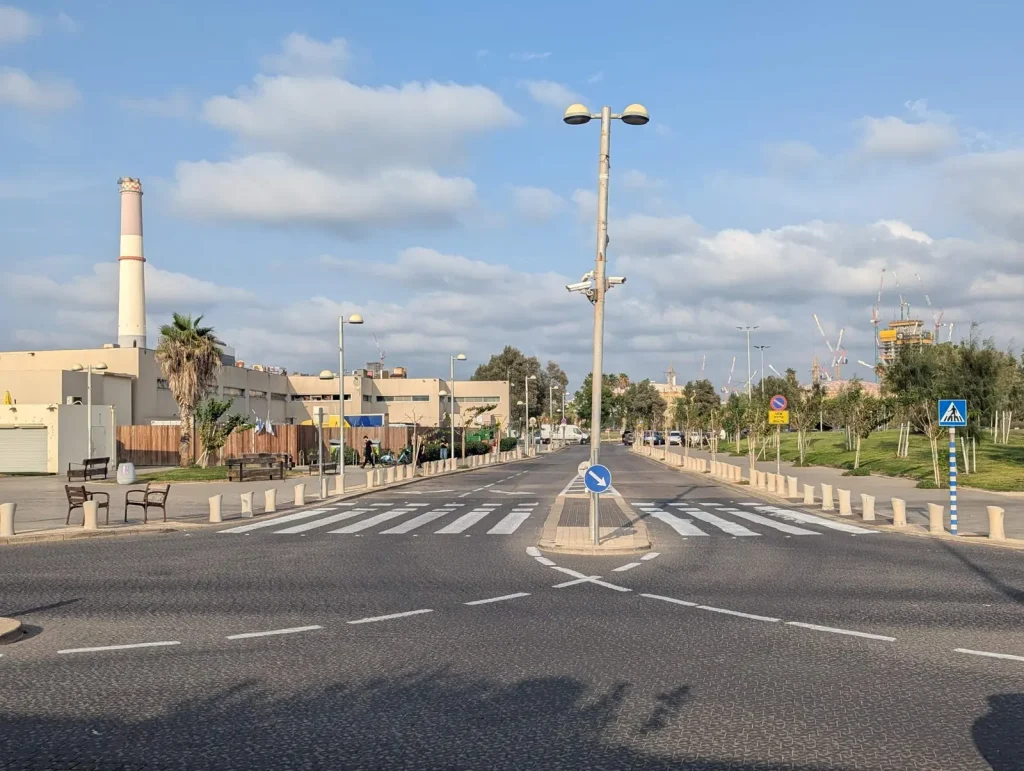
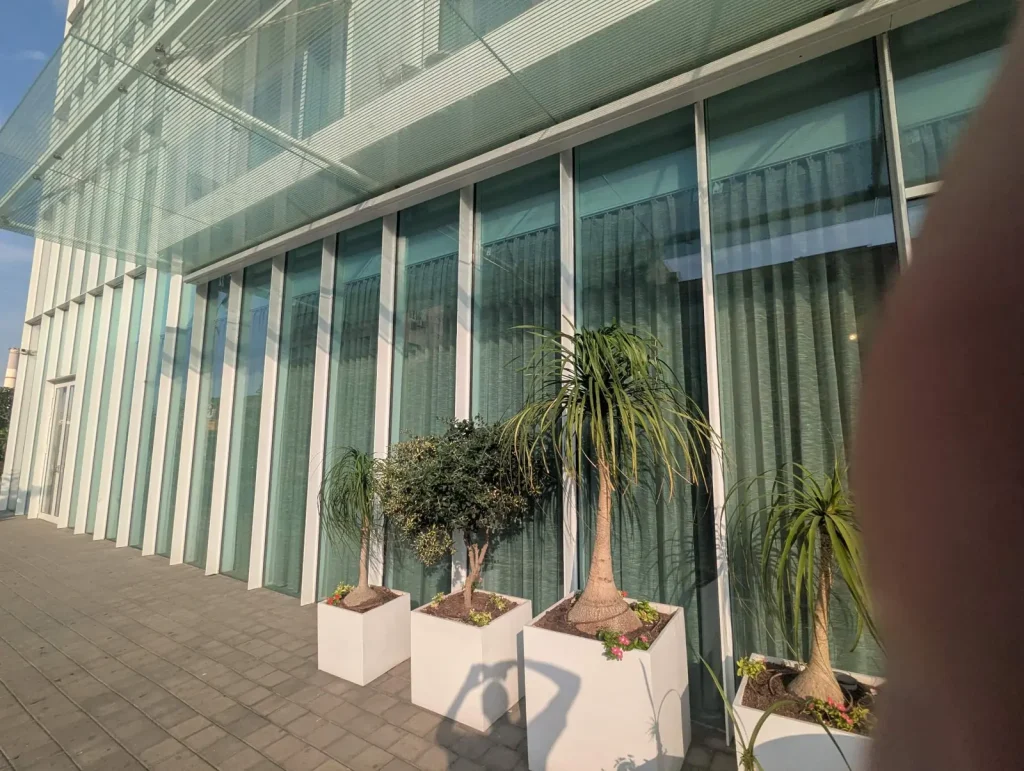
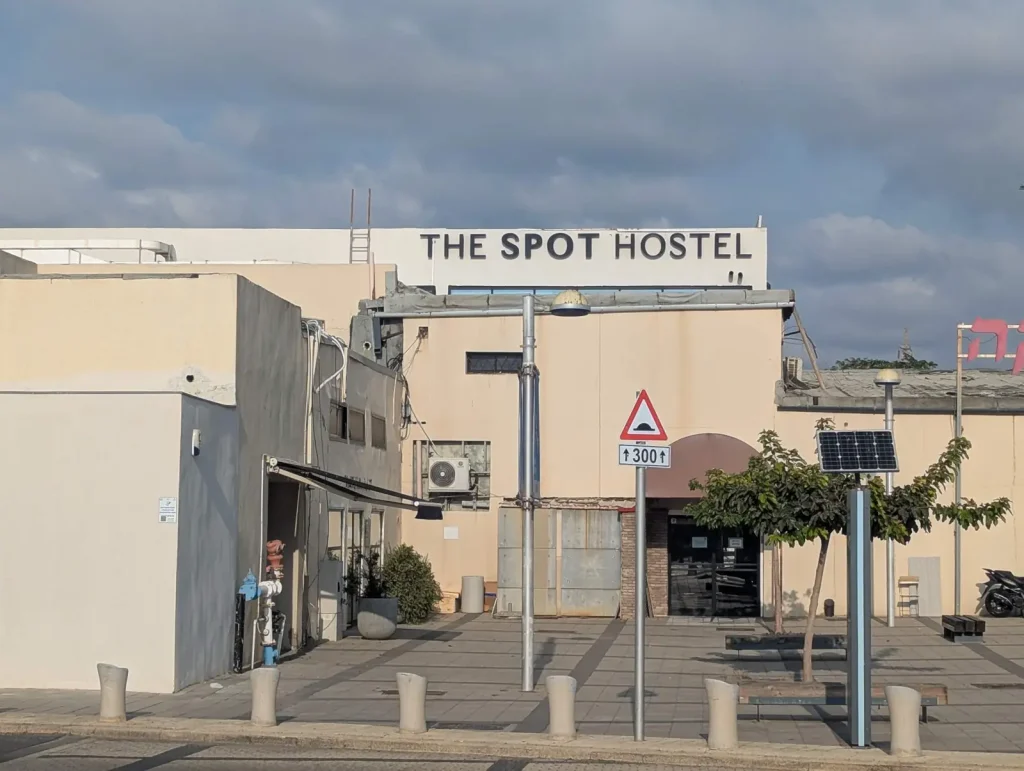
Photos of the Tel Aviv Port (Namal)

Solomon (Shlomo) Wiesen is the author and photographer behind TLV Beaches. Originally from New York, he moved to Israel in 2011 and lives in Tel Aviv, a short walk from Frishman and Bograshov beaches. Every guide on the site is written from the beach, with more than 200 of his own photos of the Tel Aviv coast. He works in marketing, SEO and startups.
Leave a Reply