By Solomon Wiesen, TLV Beaches. Last reviewed October 2026.
Yes, there are jellyfish at the Tel Aviv beaches, mainly in summer. Israel’s Ministry of Health says jellyfish reach Israeli coasts every summer as the Mediterranean warms up. Most years bring swarms of the nomad jellyfish for a few weeks, usually in early summer, and then the water clears. Stings are painful but usually mild. The Ministry’s first aid advice is simple: lift off any pieces without rubbing, rinse with seawater first and then fresh water, and never use alcohol.
This guide covers when jellyfish come, how to check before you swim, and what to do if you are stung. For everything else about the city’s beaches, see our Tel Aviv beaches guide.
Which jellyfish come to Tel Aviv?
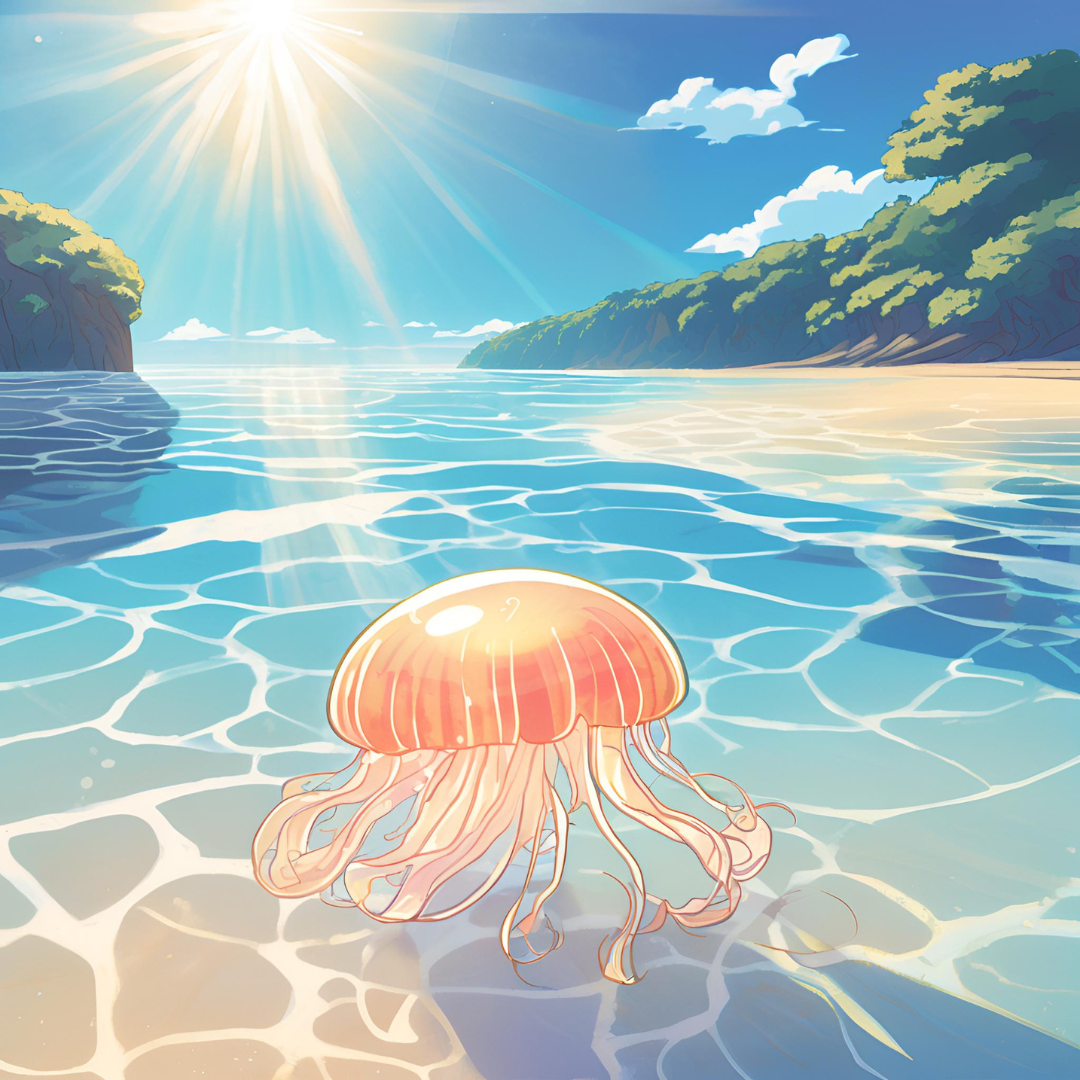
The main one is Rhopilema nomadica, the nomad jellyfish, called meduzot in Hebrew. It originally came from the Red Sea and Indian Ocean through the Suez Canal, and now forms large summer swarms along Israel’s Mediterranean coast. It has a pale, bluish bell and long trailing tentacles, and the tentacles carry the sting.
When is jellyfish season in Tel Aviv?
Swarms usually arrive in early summer, often around June and July, during the busiest weeks of the bathing season, as Ynet has reported. Timing and size change every year. A swarm can fill one beach and miss another, and it can move in a day with the wind and currents.
How to check before you swim
- Ask the lifeguard. Lifeguards see the water all day and will tell you if a swarm is in.
- Check the city’s beach page. The Tel Aviv-Yafo Municipality’s official beaches page shows live sea conditions for each beach and has a jellyfish status section (Hebrew).
- Check citizen reports. The Meduzot project collects sightings from swimmers along the coast.
- Look at the waterline. Jellyfish washed up on the sand usually mean more in the water.
What to do if a jellyfish stings you
This is the Ministry of Health’s first aid advice for jellyfish stings:
- Get out of the water and tell the lifeguard.
- Remove any pieces of jellyfish with a stick or a piece of plastic. Do not rub the skin, to reduce the chance of more venom getting in.
- Rinse with seawater first, then with fresh water for a couple of minutes, still without rubbing.
- Do not use alcohol on the sting.
- Get emergency help if you have trouble breathing, swelling of the throat, weakness, a strong allergic reaction or skin turning blue. Call Magen David Adom on 101.
You can also be stung by a jellyfish washed up on the sand, or by broken pieces of tentacle in the water, so keep children away from jellyfish on the beach.
How to avoid jellyfish
- Swim in front of a lifeguard station and follow the lifeguard’s advice.
- On swarm days, pick a beach with fewer reports, or swim early before the wind brings them in.
- Watch the water in front of you, and do not touch jellyfish on the sand.
- Learn the Tel Aviv beach flags; lifeguards close the water when conditions are dangerous.
Should jellyfish ruin your trip?
No. Swarms last weeks, not the whole summer, and outside those weeks most swimmers never see one. If you are visiting with children, our guide to Tel Aviv beaches with kids covers the calmest, best-equipped beaches. For more on safe swimming, see our beach safety page and the Tel Aviv beach rules.
FAQ
Are there jellyfish in Tel Aviv?
Yes, mainly in summer. Swarms of nomad jellyfish usually arrive for a few weeks in early summer, then the water clears.
What should I put on a jellyfish sting?
The Ministry of Health says to remove any pieces without rubbing, rinse with seawater and then fresh water, and not to use alcohol.
Are Tel Aviv jellyfish dangerous?
Most stings cause pain, redness and a rash. Get emergency help, by calling 101, if there is trouble breathing, throat swelling or a severe allergic reaction.
How can I find out if there are jellyfish today?
Ask the lifeguard, check the municipality’s beaches page for its jellyfish status, and look at citizen reports on the Meduzot site.

Leave a Reply